Decks That Outlast the Weather in Bend, OR
Cedar, composite and covered decks, built from the ledger out. The part you never see is the part that decides whether it's still standing in twenty years — so we photograph it before the boards go down.
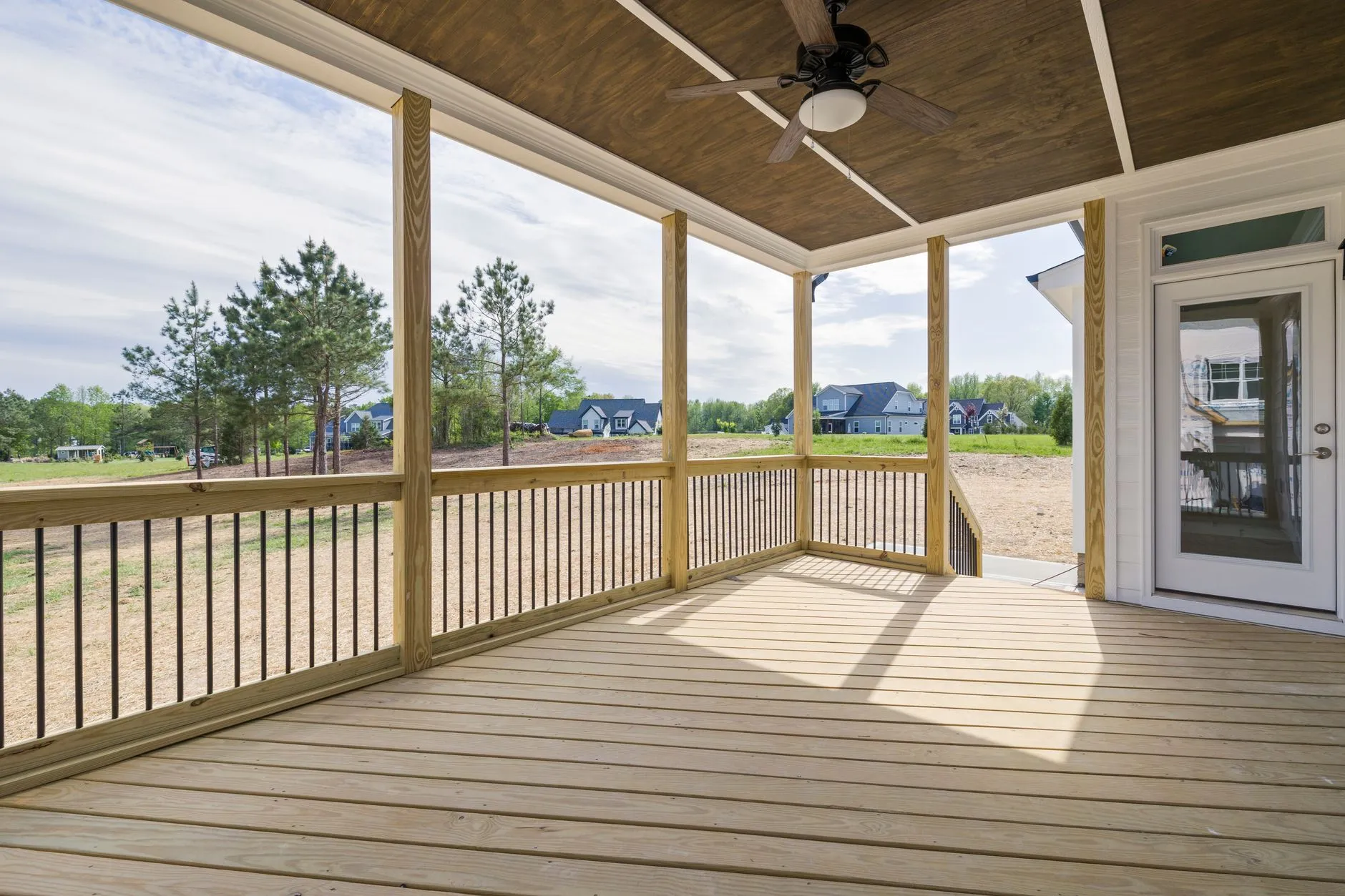
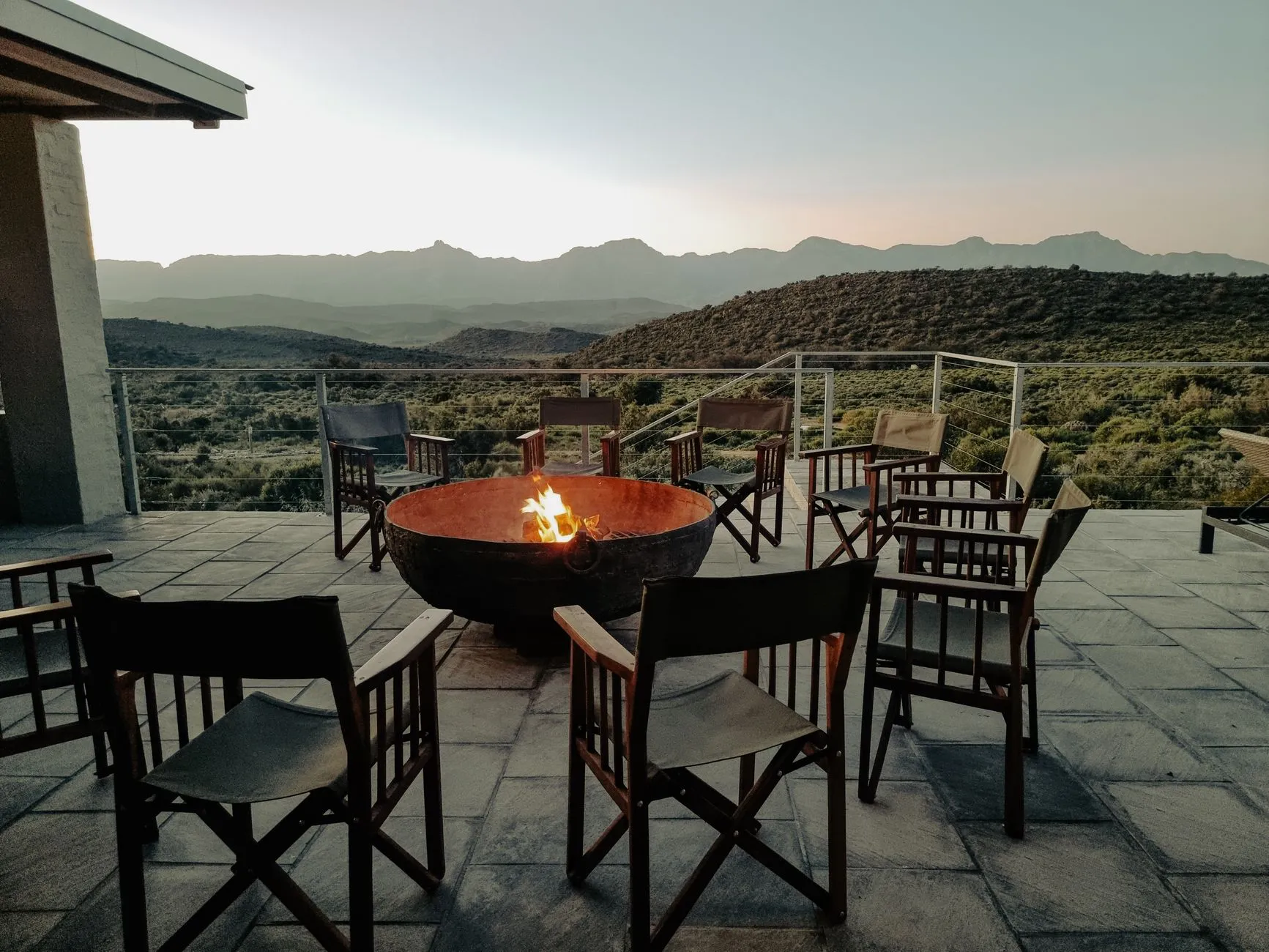

Decks We've Built Around Bend



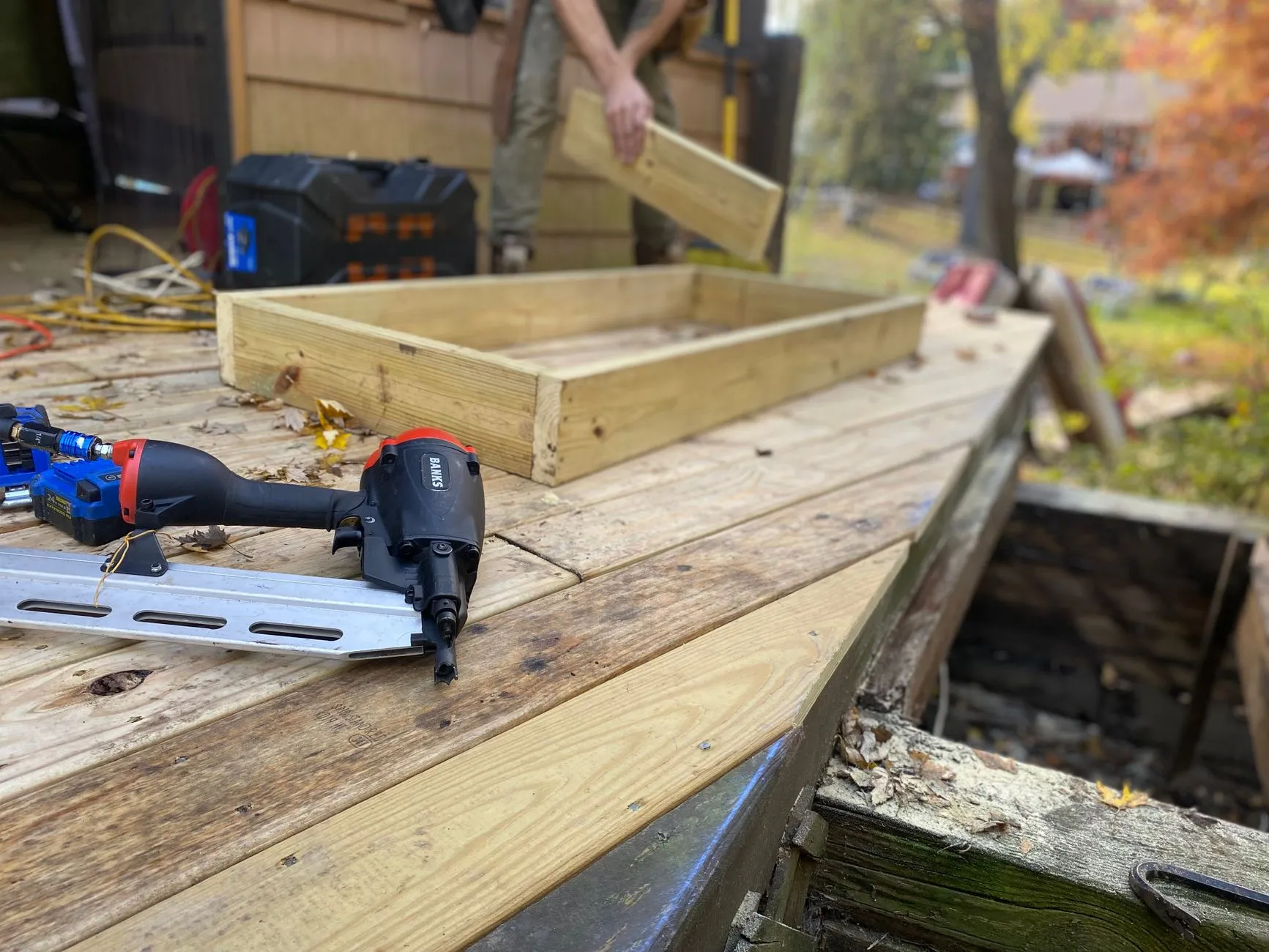
It Almost Always Starts at the Ledger
When a deck comes off a house it is nearly never the boards or the posts. It is the ledger — the board bolted to the house that carries half the load — and it lets go when the deck is full of people, because that is the only time it is tested.
Oregon's code is specific about this. The ledger fastens to structural framing, not to siding and not to trim, in an approved lag or through-bolt pattern, with flashing above it so water goes out rather than in. Nails are not a fastener here and never were. We pull the siding back, look at the band board, and if it is soft we say so before we price a deck.
- ✓Siding pulled back and the band board inspected before we quote
- ✓Structural fasteners and flashing, photographed before the boards
- ✓Free-standing frame with its own beam where a ledger is a bad idea
- ✓Stucco, EIFS and cantilevered floors get the free-standing answer
What We Build
Decks and the things around them. We don't do roofing, siding or interiors — and we'll tell you who does.
Four Things Oregon Code Decides for You
None of these are opinions and none of them are optional. A quote that leaves them out is not cheaper — it is just incomplete.
Over 30 inches, you need a permit
Oregon's threshold is statewide: any deck more than thirty inches above the adjacent grade is permitted work. Plenty of decks around Bend sit at thirty-two. We pull it, we schedule the inspection, and you get the signed card.
Footings go below 18 inches here
Deschutes County's minimum frost depth is eighteen inches, and footings bear on undisturbed soil below it. Above frost, the ground lifts a deck a little every winter until the ledger, the stairs or the rail tells you about it.
The ledger fastens to framing, full stop
Structural framing only — never siding, never trim — in an approved lag-screw or through-bolt pattern, with flashing above. Two lateral-load devices tie the deck back to the floor system. This is the paragraph that keeps decks up.
Guards at 36 inches, and they get tested
A guard on a residential deck is 36 inches minimum and has to take a 200-pound load at the top rail. Cable rail looks effortless and is the fussiest of the lot to build to that number. We build it anyway; we just price it honestly.
Three Materials, With the Downsides Attached
Every decking salesman will tell you what their material is good at. Here is what each one is bad at, which is the half that decides whether you like the deck in year six.
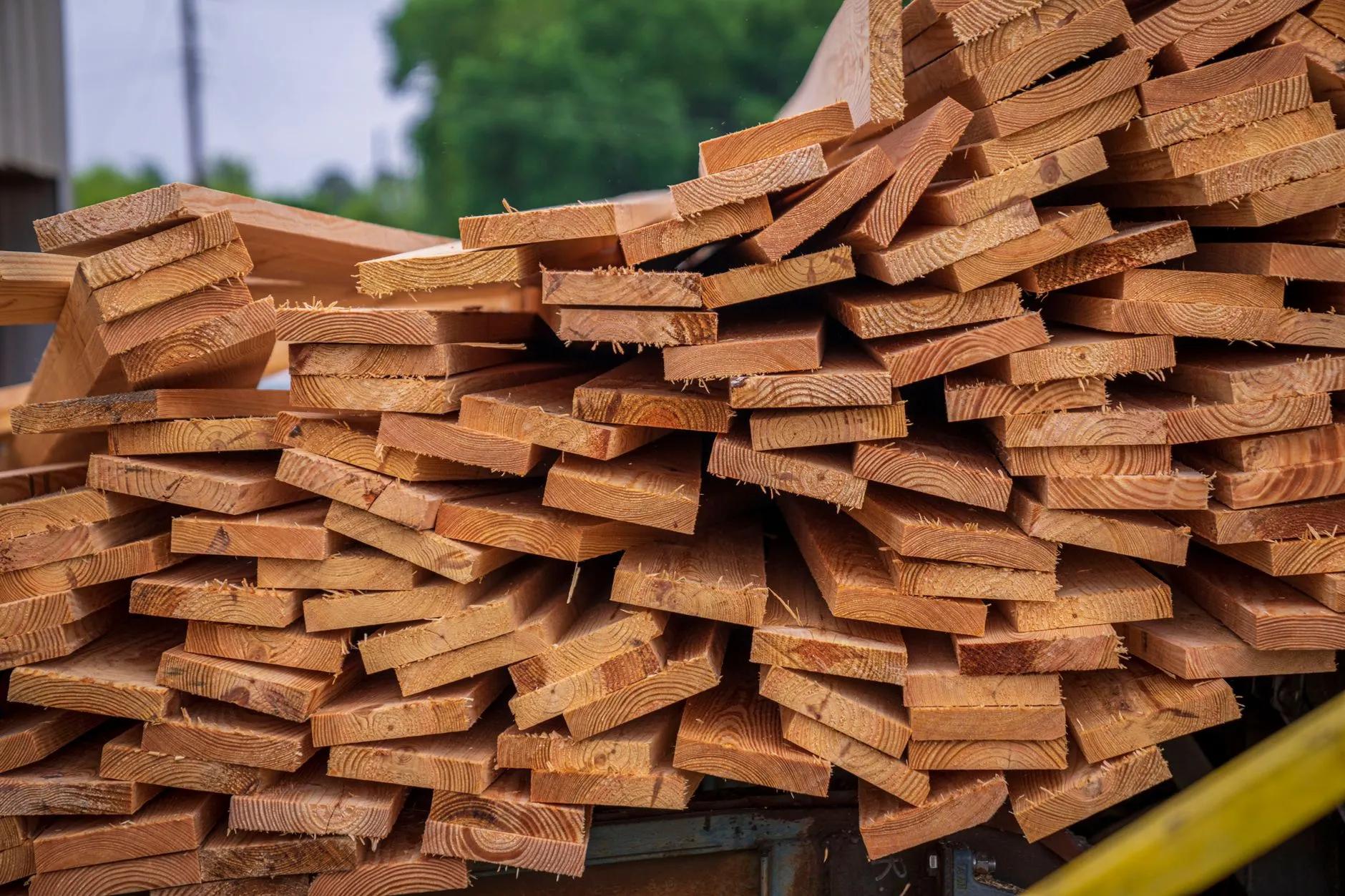
Pressure-treated pine · $25-$40/sq ft installed
The cheapest way to get a structurally sound deck, and there is no shame in it. It will check, cup and grey, and it wants cleaning and sealing every year or two. Choose it if you will actually do that — and be honest with yourself.

Western red cedar · $40-$60/sq ft installed
Naturally rot-resistant, soft underfoot, and the nicest thing to look at. Bend sits at 3,600 feet and the UV here is punishing: expect to recoat every two to three years, or let it go silver on purpose. Both are fine; drifting between them is not.
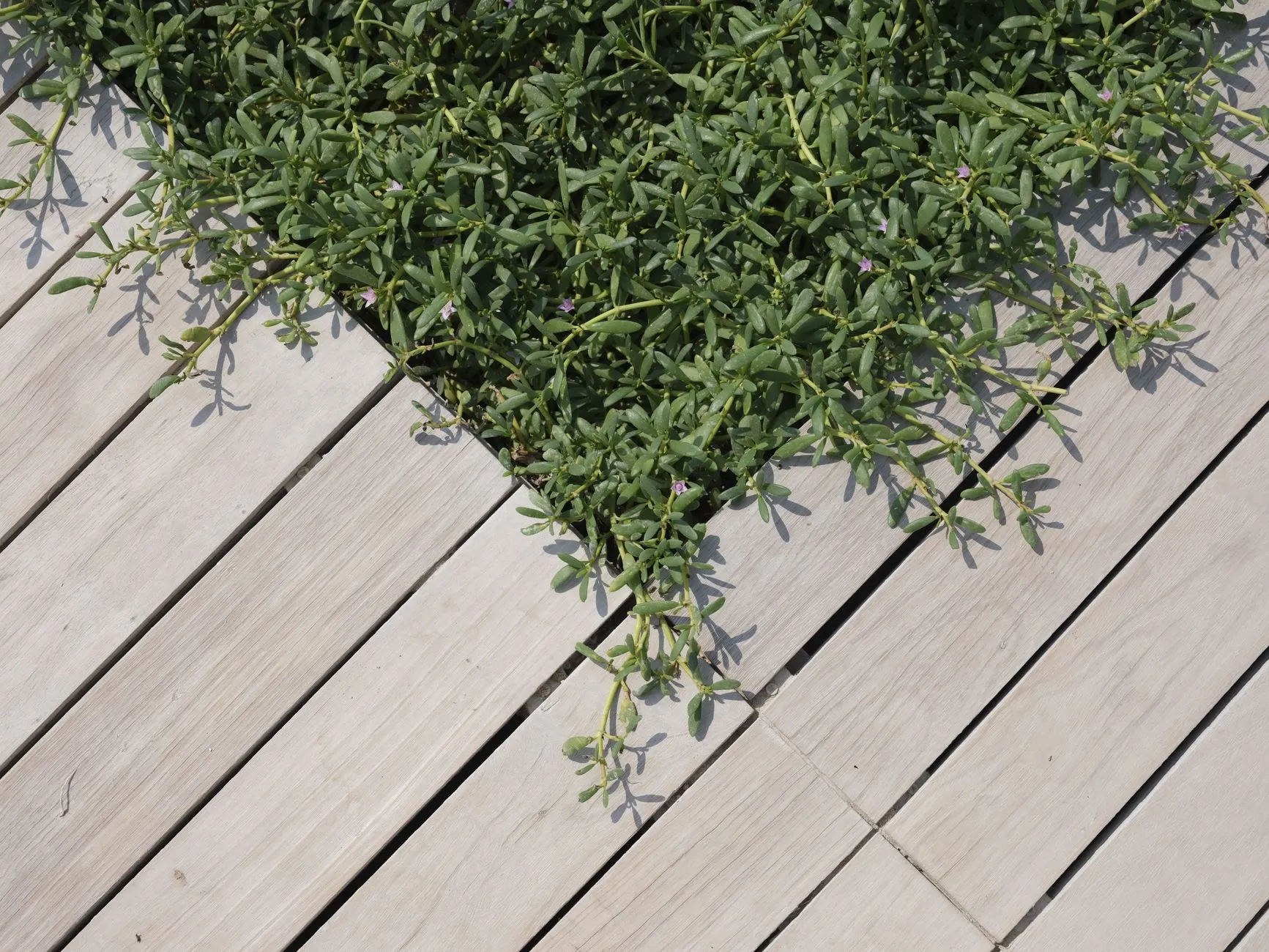
Composite & PVC · $55-$90/sq ft installed
No rot, no sealing, warranties out to twenty-five years. But dark boards run thirty to forty degrees above air temperature in direct sun, and we get roughly three hundred sunny days. Go two shades lighter than you think, and know it scratches.
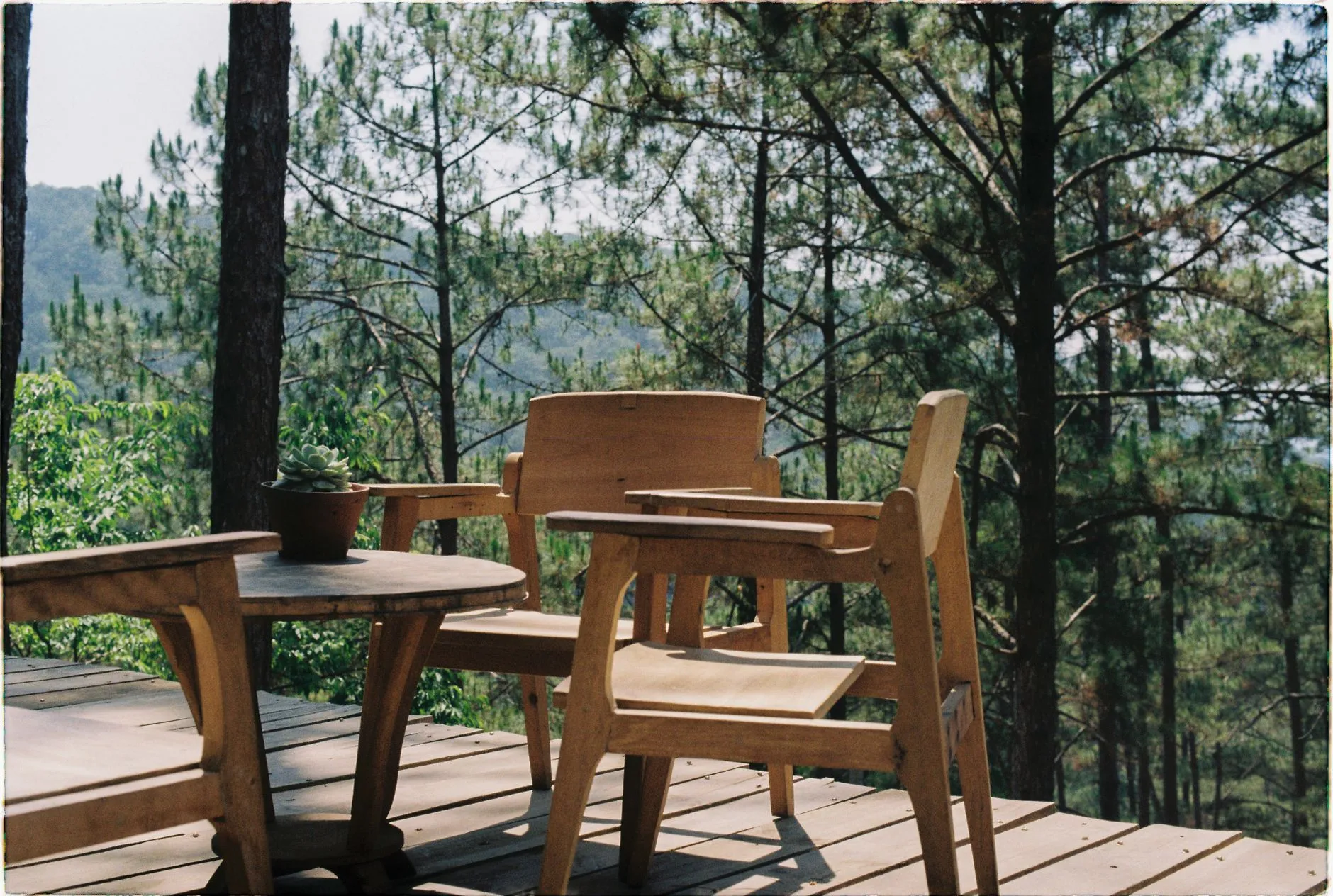
Three Thousand Six Hundred Feet Changes the Answer
A deck built the same way in Portland and in Bend will not age the same way, and the difference is not rain. It is ultraviolet, and it is the number of times a year the temperature crosses freezing.
At this elevation the sun strips a finish roughly twice as fast as it does at sea level, which is why cedar out here needs a two-to-three-year cycle rather than the four-to-five the can promises. And a fifty-degree swing between a February afternoon and that night moves water in and out of every fastener hole. Stainless where it matters, gapping that allows for it, and a finish chosen for UV rather than for the shade on the tin.
- ✓Finishes specified for UV load at elevation, not for a coastal climate
- ✓Stainless fasteners in the connections that get wet and freeze
- ✓Board gapping set for a fifty-degree daily swing, not a catalogue number
- ✓Covered decks engineered for Central Oregon snow load before we build
How a Deck Gets Built
Six to ten weeks from the first visit, and most of that is permit and lead time rather than site work.
Site visit
An hour in the yard. We measure, check the grade and, if it attaches to the house, pull a bit of siding back to see the band board before we say a number.
Design & permit
Layout, framing plan and the permit submission for anything over thirty inches. Two to four weeks, and none of it is noisy.
Footings & frame
Holes below the eighteen-inch frost line, posts, beams, ledger and joists — then the framing inspection while it is all still visible.
Boards, rails, stairs
Decking down with hidden fasteners where the material allows, then guards and stairs. This is the fast, satisfying week.
Final & handover
Final inspection, the signed card, and a folder with the framing photos, the fastener schedule and the finish you'll want in three years.
Deck Questions We Get Every Week
What does a deck actually cost in Bend?
Between $25 and $90 a square foot installed depending entirely on material and height. A 400-square-foot cedar deck at moderate height lands around $18,000 to $24,000; the same footprint in premium composite with cable rail can pass $35,000. Height drives cost more than people expect — posts, stairs and guards all scale with it.
Will it add value to the house?
Some, but less than the brochures suggest — national cost-versus-value surveys put a wood deck addition in the 50 to 65 percent range. Build it because you want to be out there in July, not as an investment. If you're selling next spring we'll tell you a repair beats a rebuild.
Composite or cedar?
If you will never seal anything, composite. If you love the look of real timber and accept a recoat every two to three years at this elevation, cedar. The wrong answer is buying cedar intending to maintain it and then not — that deck looks worse at year five than either honest choice.
Does composite really get that hot?
Yes. Dark boards in direct sun sit thirty to forty degrees above air temperature, so a 90-degree August afternoon puts the surface near 130. Lighter colours and capped products with heat-reflective technology help a lot. We'll walk you across a dark sample on a sunny day if you want the demonstration.
Do I need a permit?
If any part of the deck sits more than thirty inches above the adjacent grade, yes — that's the statewide threshold. We pull it, book the inspections and hand you the signed card. An unpermitted deck becomes your problem at closing, not ours.
Can you fix a deck someone else built?
Often, and the first thing we look at is the ledger. If the ledger and footings are sound, a reframe or a re-board is genuinely good value. If the ledger is nailed through siding into nothing — which we do find — we'll say plainly that it needs rebuilding rather than patching.

Start With an Hour in the Yard
We'll measure, check the grade and look behind the siding at the band board — then give you a real number rather than a range.
Tell Us What You Want to Do Out There
Height off the ground and whether it attaches to the house are the two things that move the price most. We'll come back within a working day.