Design-Build Firm in Shreveport, LA
One contract holds both the drawings and the price, which means the gap between them is our problem instead of yours. That's the real difference — speed is a consequence.


It's a Risk Transfer. Speed Is a Side Effect.
Design-build gets sold on being faster. It usually is, but that isn't the part that matters, and leading with it hides the real mechanism.
In design-bid-build you hire an architect, they produce drawings, and you then take those drawings to builders for a price. If the price comes back over budget, or something on the drawings can't be built the way it's drawn, you are standing between two firms who each have a sincere professional interest in it being the other one's fault. Every hour of that argument is on your programme and your invoice.
In design-build, one entity holds the design and the construction. So when the drawings and the price don't reconcile, that reconciliation happens inside our office, at our cost, before it reaches you. The gap moves from your side of the table to ours. That is the product.
Speed follows from it — trades can start on early packages while later design is still resolving — but a firm that sells you speed without explaining the risk transfer is selling you the symptom.
- ✓One contract, one party accountable for both halves
- ✓Design-price reconciliation happens before it reaches you
- ✓Early packages can start while later design resolves
- ✓No standing between two firms who blame each other
Lump Sum, Cost-Plus, GMP — They Fail Differently
The delivery model is one decision; the contract type is a separate one, and it's the one that decides who carries what. Here is each, honestly, including how it goes wrong.
Lump sum — one number, all risk on us
Fine when the design is genuinely complete, because we can price what's drawn. Priced off incomplete drawings, a lump sum simply contains a contingency you can't see, and every clarification becomes a change order argument.
Cost-plus — you see everything
Actual cost plus an agreed fee, fully open book. The most transparent arrangement there is and the right one for genuinely unknown scope such as renovation. It gives you no ceiling, which some owners cannot live with and shouldn't be asked to.
GMP — cost-plus with a ceiling
Our default. Open-book like cost-plus, but with a guaranteed maximum above which the overrun is ours. Savings below it are shared on an agreed split, stated in the contract rather than discovered later.
The GMP question nobody asks
At what level of design completion was it set? At 30% concept drawings a guaranteed maximum is a forecast wearing a guarantee's clothes, and it will be honoured by cutting quality somewhere you weren't watching. We won't set one before design development.
Allowances are where budgets quietly leak
Every allowance is an admission that something isn't decided. Ours are listed with what they assume, so you can see which numbers are real and which are placeholders — and how many of them there are.
Contingency, whose and how much
There should be one, it should be named, and it should be clear who releases it and what happens to what's left. An unnamed contingency is just margin with better manners.
What We Do
We take on a small number of projects at a time. If our capacity doesn't fit your programme we'll say so at the first meeting rather than the third.
Five Stages, and the Price Gets Firmer at Each
Owners are often asked to commit to a number long before the design can support one. This is the sequence, and what a price actually means at each point.
Feasibility — is this even viable?
Zoning, site, utilities, access, an order-of-magnitude cost range. The number here is a range with a wide band and should be presented as one. Its job is to stop bad projects cheaply.
Concept — roughly 15-30% design
Massing, plan arrangement, the big moves. A budget here is a well-informed estimate, not a commitment, and anyone offering a guaranteed maximum at this stage is guessing on your behalf.
Design development — 50-70%
Systems selected, materials specified, engineers engaged. This is the earliest point at which a guaranteed maximum price means something, which is why it's the earliest point we'll set one.
Construction documents — 90-100%
Full drawings and specifications, permit set, subcontractor buyout. A lump sum priced here is a real lump sum. Allowances should be few and named.
Construction and closeout
Build, inspect, commission, hand over with as-builts and warranties. Open-book reporting monthly, and the shared-savings reconciliation at the end rather than a silence.
Tell Us What's Fixed — Budget, Programme, or Both
That one answer decides which delivery model and which contract type actually serve you, and occasionally the answer is that we're not the right firm.

Sometimes You Want an Architect Working for You Instead
Design-build's strength is that one party is accountable. Its cost is that you give up an independent professional whose only client is you.
In design-bid-build your architect is paid to advocate for your interests against the builder's. In design-build, the person designing and the person building answer to the same balance sheet. Most of the time that alignment works in your favour, because it removes the argument. Sometimes it doesn't, and here is when we'll tell you so:
When the design is the point. A building meant to be architecturally significant deserves a designer whose reputation rests on the design rather than on the margin. Six times we've advised an owner to hire an architect and come back to us for the build, or not at all.
When you have unlimited time and a fixed aesthetic ambition. Design-build's advantages are mostly programme and cost certainty. If neither is your constraint, you're paying for a benefit you don't need.
When your board or funder requires competitive bidding on completed documents. That's a governance requirement, not a preference, and it is not ours to talk anybody out of.
If you do go design-build — with us or anyone — hire an owner's representative. We have never once objected to one and we'll happily suggest names.
- ✓Six owners advised to hire an independent architect instead
- ✓We'll name the governance cases where bidding is required
- ✓Owner's representatives welcomed, and we'll suggest names
- ✓Open-book pricing so the alignment is verifiable, not asserted
Around Shreveport and Bossier
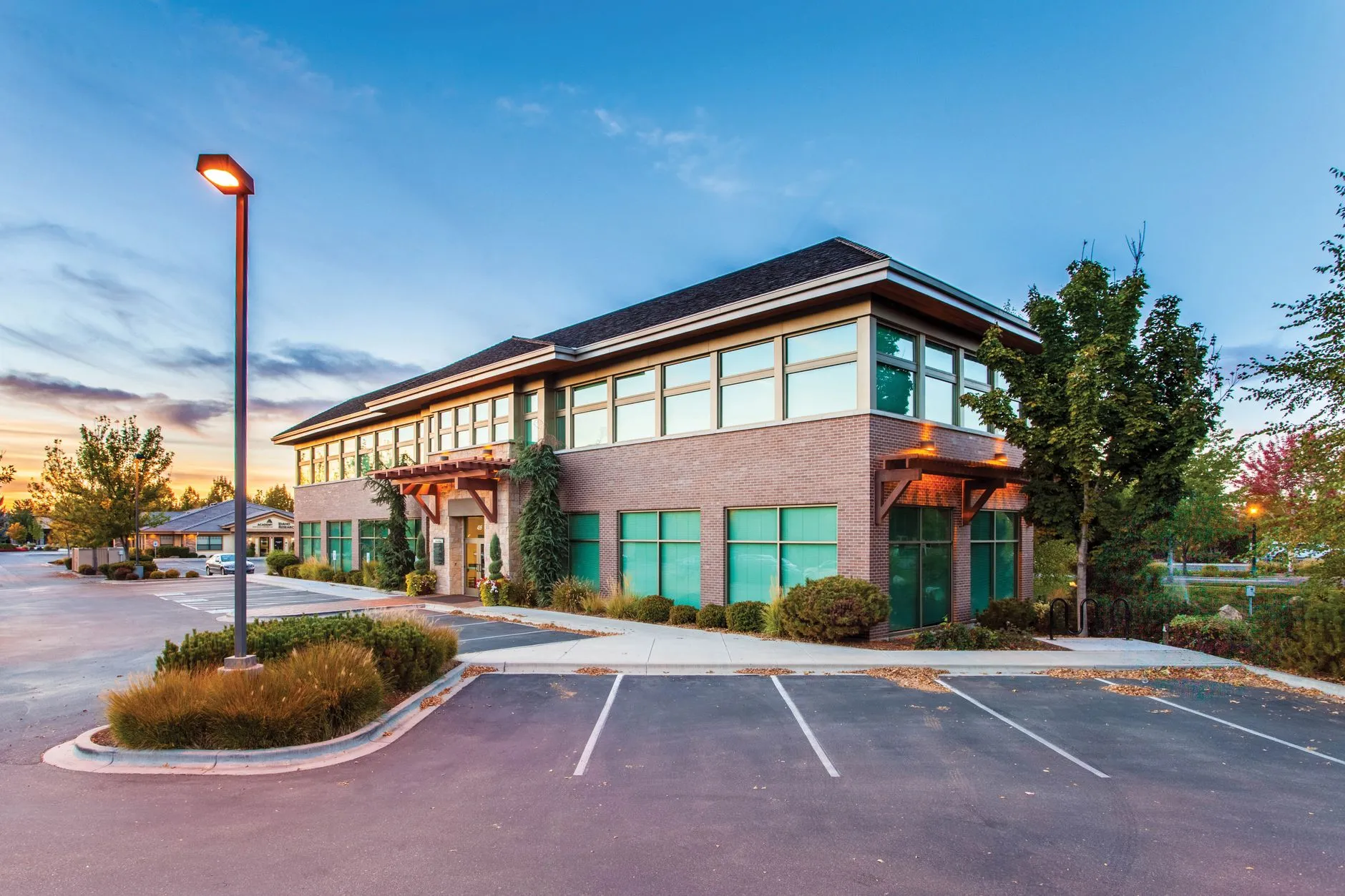

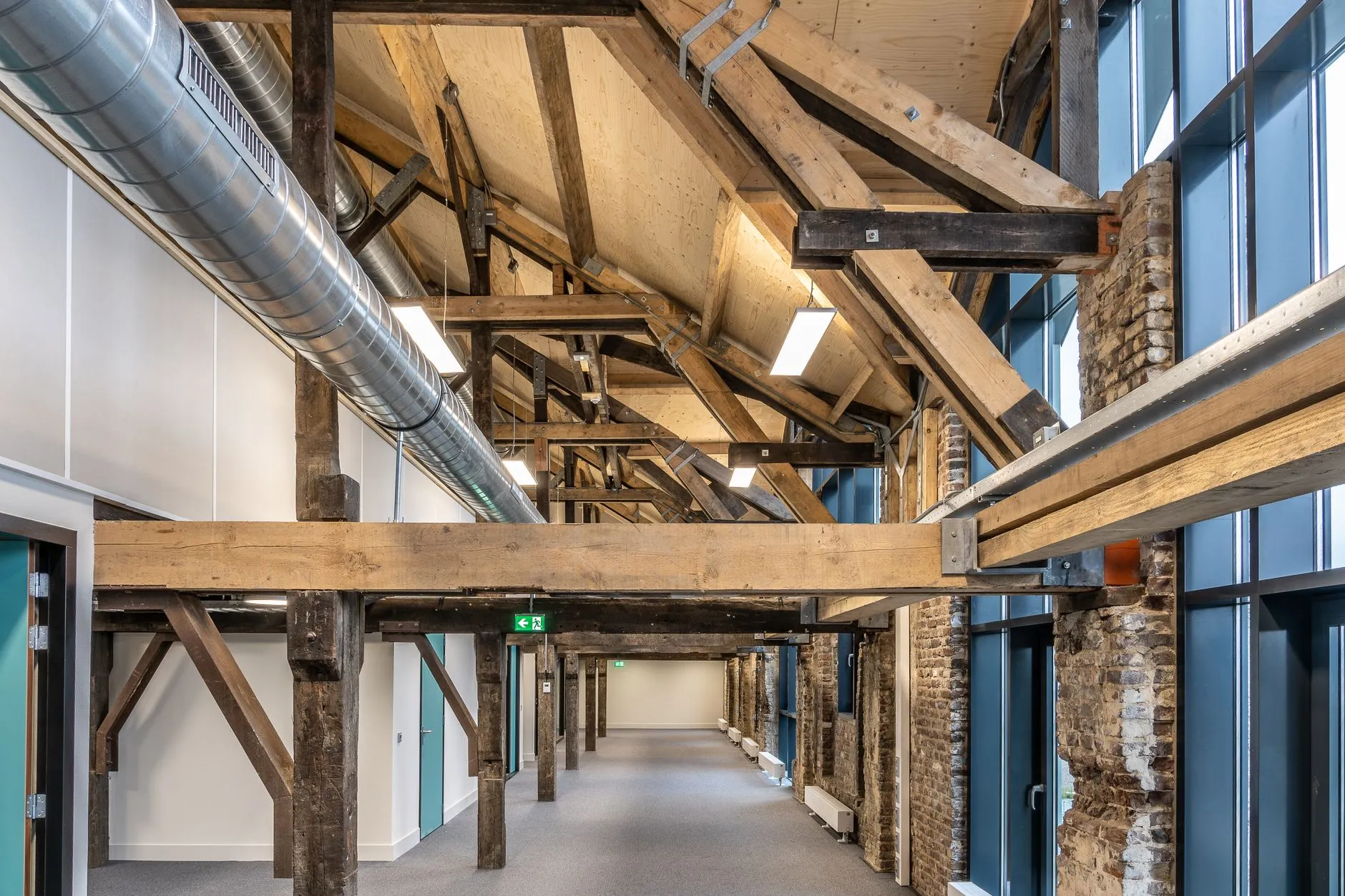
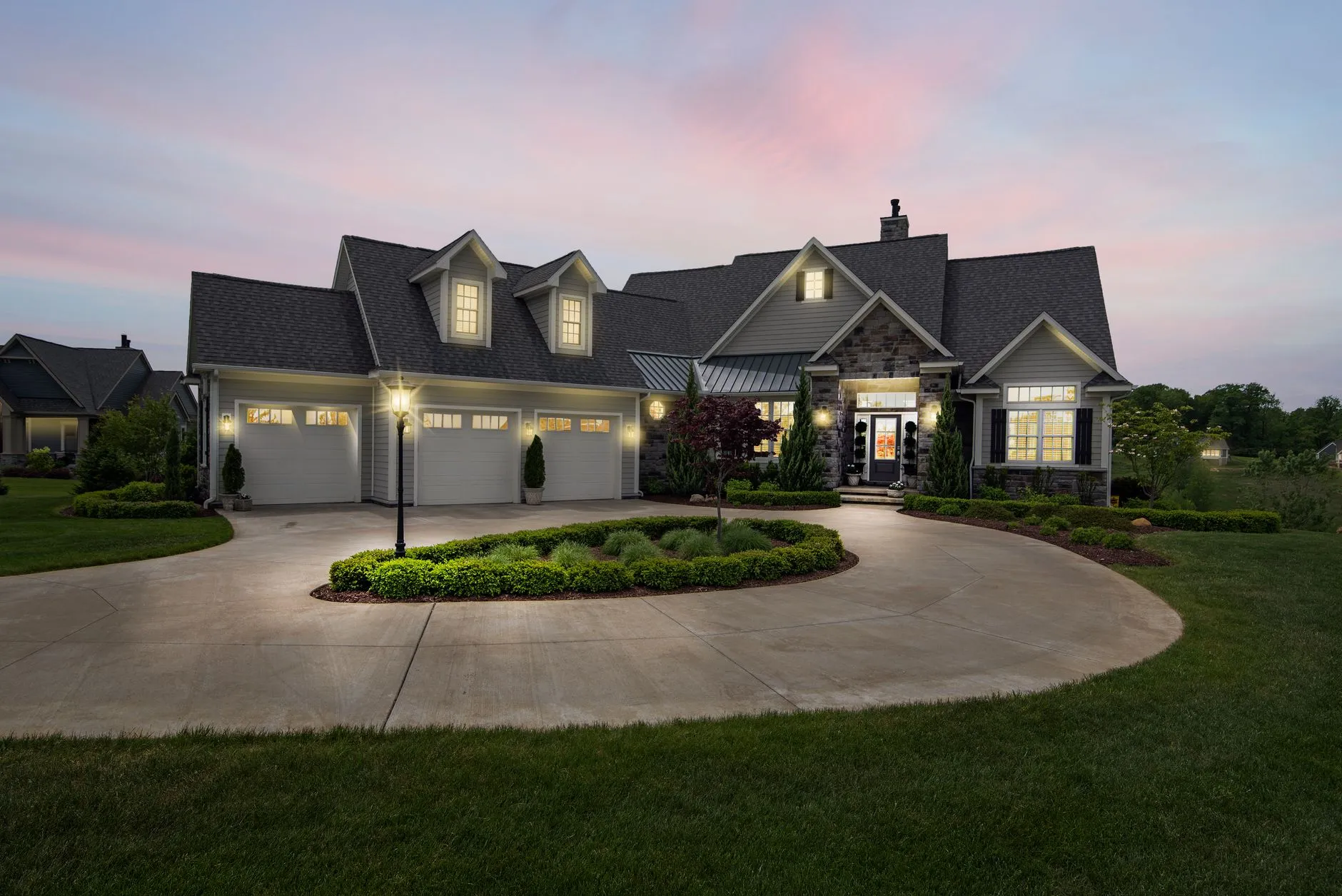
Four Steps, and You Can Stop After Any of Them
Each stage is separately engaged, so you are never committed further than the work you've bought.
Conversation
What's fixed — budget, programme, or both. We'll say at this meeting whether design-build is even the right model for you.
Feasibility & concept
Site, zoning and utilities checked, concept drawn, an order-of-magnitude range with an honest band. Separately engaged and priced.
Design development & GMP
Systems and materials resolved, engineers engaged, subcontractor pricing sought open-book. This is where a guaranteed maximum gets set.
Build & close out
Construction with monthly open-book reporting, then handover with as-builts, warranties and the shared-savings reconciliation.
What Owners Ask Before Committing
Is design-build actually cheaper than design-bid-build?
Not reliably, and anyone promising it is overselling. What it reliably does is reduce the *variance* — fewer change orders arising from drawings that couldn't be built as drawn, and less programme lost to disputes. Competitive bidding on complete documents can absolutely produce a lower headline number; it just leaves you holding the gap if that number turns out to be wrong.
How do I know I'm not being overcharged if nobody else bid it?
This is the right question and it's why we work open book. You see the actual subcontractor quotes — three per trade where the market allows — and our fee is a fixed dollar amount agreed at design development rather than a percentage of the final cost. A percentage fee quietly rewards a larger number, so we don't use one. Hiring an owner's representative to audit all of that is entirely reasonable and we'll suggest names.
When will I get a price I can rely on?
At design development, roughly 50-70% design, and not before. Feasibility gives you a range with a wide band. Concept gives you an informed estimate. Design development is the first point at which a guaranteed maximum price means anything, because the systems and materials driving the cost are actually decided by then.
What happens if the project comes in over the GMP?
The overrun is ours, which is the entire point of the ceiling — subject to the exclusions and owner-directed changes named in the contract, which we keep short and go through with you line by line. Our average variance from the guaranteed maximum across 31 projects is 2.4%, and that is a number we're happy to be held to.
Who is actually designing my building?
A licensed architect engaged as a consultant under our contract, and we'll tell you who before you sign anything. Engineers likewise. We carry professional and design errors-and-omissions cover in addition to construction liability — two different policies, and plenty of design-build firms carry only the second one.
Can I bring my own architect?
Yes, and it happens fairly often, particularly where an owner has a long relationship with a designer. We'll contract them as our consultant, or work alongside them under a bridging arrangement where they stay yours. The second costs a little more and preserves the independent check, which for some owners is worth it.
Do you take small projects?
Tenant improvements and fit-outs of most sizes, yes — that's a good part of our repeat work. Below roughly the cost of a modest fit-out, the overhead of a design-build contract stops being worth it to you and we'll say so and point you to a good general contractor instead.
How many projects do you run at once?
Deliberately few. It's the main constraint on what we can take, and we'd rather decline at the first meeting than accept and hand you a programme we can't staff. If our capacity doesn't fit your dates you'll hear it straight away.
Budget, Programme, or Both?
That's the most useful thing you can tell us first — it decides the delivery model and the contract type. Two working days for a considered reply, including if the answer is that we're the wrong firm.
- Visit us715 Marshall Street, Suite 300, Shreveport, LA 71101
- Call us(318) 555-0157
- Email usprojects@vantrelldesignbuild.com