Build Responsibly — Environmental Engineering & Permitting in Portland
Confluence gets projects through environmental due diligence, wetland permits, and cleanups — with science regulators trust and reports people can actually read.


Development and Habitat Can Share a Map
We don't think environmental review is an obstacle course — it's how good projects prove they belong. Our scientists find what's really on your site, design around what matters, and write permits that agencies approve because the science is honest and the mitigation is real.
- ✓Field science first — decisions from evidence, not templates
- ✓Agency relationships built on straight answers
- ✓Mitigation that actually functions, not just files
- ✓Reports written for people, footnoted for regulators
From Due Diligence to Living Streams
Whatever the site question — contamination, wetlands, stormwater, habitat — we've walked it before.
Assess. Permit. Remediate. Restore.
Assess
Records, history, and field evidence gathered into an honest picture of what the site holds.
Permit
Applications engineered for first-pass acceptance — because resubmittals cost seasons.
Remediate
Cleanups scaled to real risk, overseen in the field, and documented to closure.
Restore & Monitor
Habitat rebuilt to function, then monitored until the agency — and the herons — sign off.
Where the Work Happens
Wetlands, streams, brownfields, and the restoration seasons that follow.


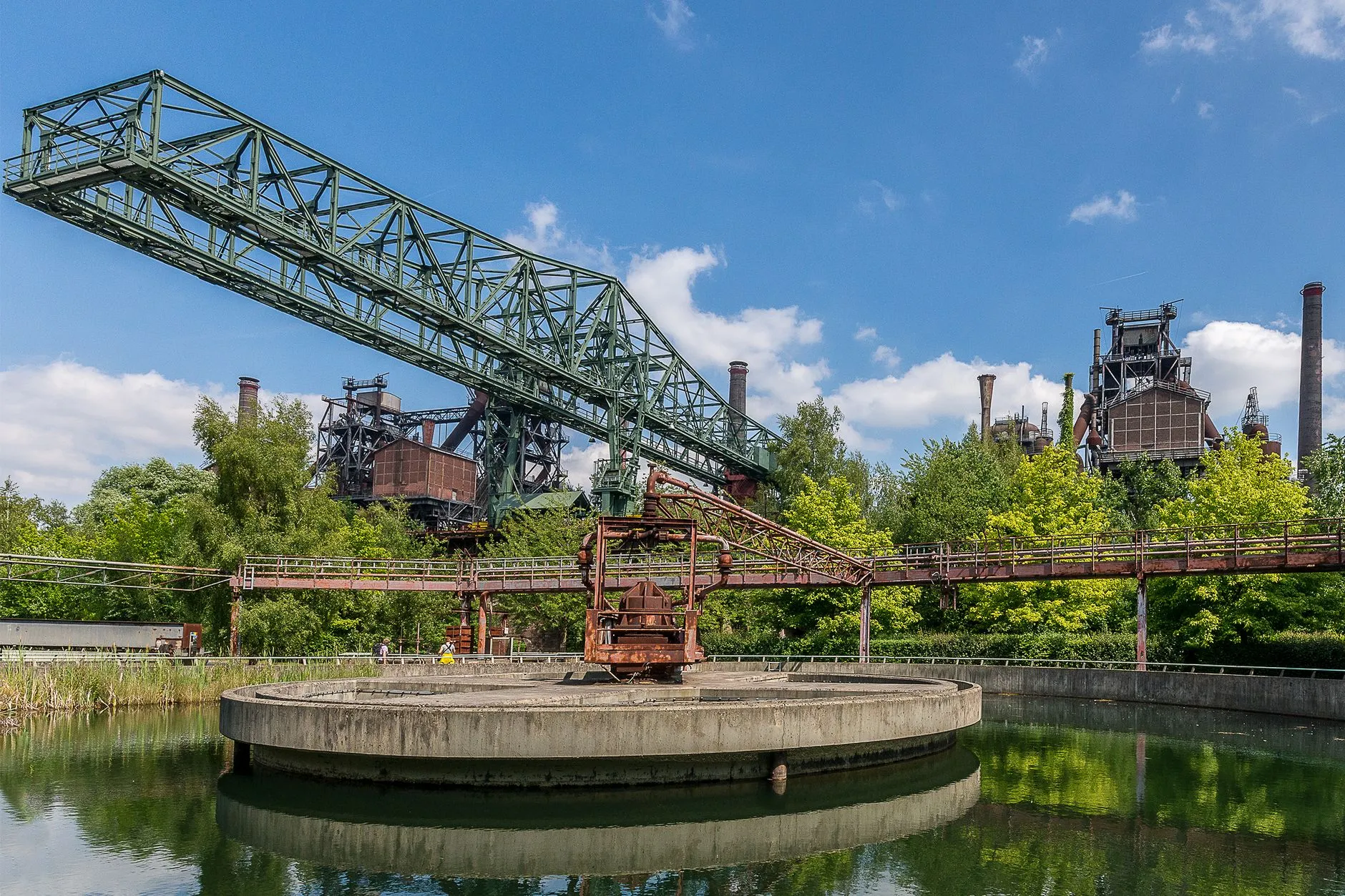
The Best Sites Are the Complicated Ones
Contaminated land scares most buyers away — which is exactly why it's opportunity. We price environmental risk accurately, design cleanups that fit redevelopment plans, and shepherd sites through agency programs to closure letters. The city gets its land back; you get the deal nobody else could touch.
- ✓Risk priced accurately before you close
- ✓Cleanup designed around the redevelopment plan
- ✓Agency program navigation to a closure letter
- ✓Grant and incentive paperwork supported
What Twelve Years in Waders Teach
Honest Findings Travel Faster
Agencies fast-track consultants they trust. A decade of straight answers is our best permit strategy.
The Site Always Knows More
Desktop reviews miss what an afternoon in the field finds. We walk every site we sign.
Restoration Is Engineering
A stream that functions in year five was designed that way — hydrology first, plants second, luck never.
What Clients and Creeks Say
Confluence found the recognized environmental condition our lender feared, scoped the Phase II the same week, and got us to closing with a remediation plan the bank accepted. Deal alive, risk priced, everyone informed.
Our subdivision touched a wetland nobody had mapped. Their delineation was accepted without a single agency question, and the permit path they designed saved us a full construction season.
The creek behind our campus went from a ditch to a living stream. Confluence designed the restoration, ran the volunteer planting days, and still monitors it every spring. Our staff pictures it on the About page.
Asked Before the First Site Walk
How fast can you turn a Phase I?
Standard turnaround is two to three weeks; closing-deadline rushes can compress to ten business days. The records requests go out the day you engage us.
What if the Phase I finds something?
Then you know — which is the point. We scope the Phase II sampling immediately, price the risk honestly, and most deals proceed with eyes open and terms adjusted.
There might be a wetland on my property. Now what?
A delineation maps exactly what's jurisdictional and what isn't — often less than feared. From there we design the layout and permit path that gets your project built.
How long do environmental permits take?
It ranges from weeks to seasons depending on the resource and the agency. We tell you the honest timeline up front and design submittals for first-pass acceptance — resubmittal is where schedules die.
What does remediation cost?
Wildly less than reputation suggests, when it's scaled to actual risk. Many sites close out with monitoring and institutional controls rather than excavation. The assessment tells us which one you have.
Do you handle the volunteer planting days?
Happily — restoration projects often finish with community planting events we organize and lead. It's the best day of the project, every time.
Tell Us About the Site
One business day to a scientist's reply. Bring the address and the question — we'll bring the waders.
- Visit us240 North Broadway, Suite 310, Portland, OR 97227
- Call us(503) 555-0171
- Email ushello@confluenceenv.com