Make the Factory Flow — Process Engineering for Cincinnati Manufacturers
Plant layouts, production lines, and automation engineered by people who stand on the floor before they draw it. When the line runs like the model, that's not luck — that's Halvorsen.
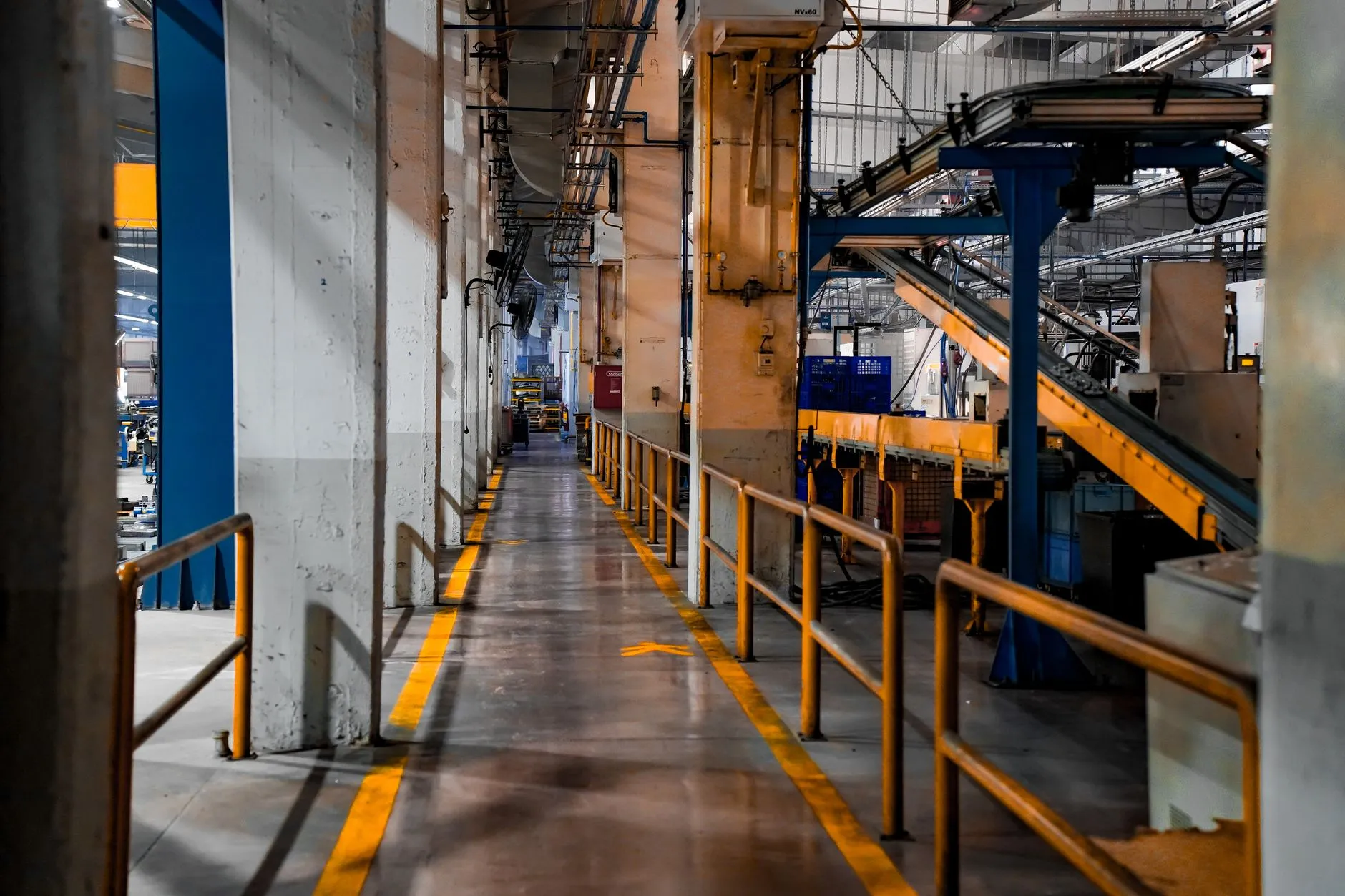
From Receiving Dock to Ship Door
Six ways we take waste out of an operation — pick the one that's costing you the most this quarter.


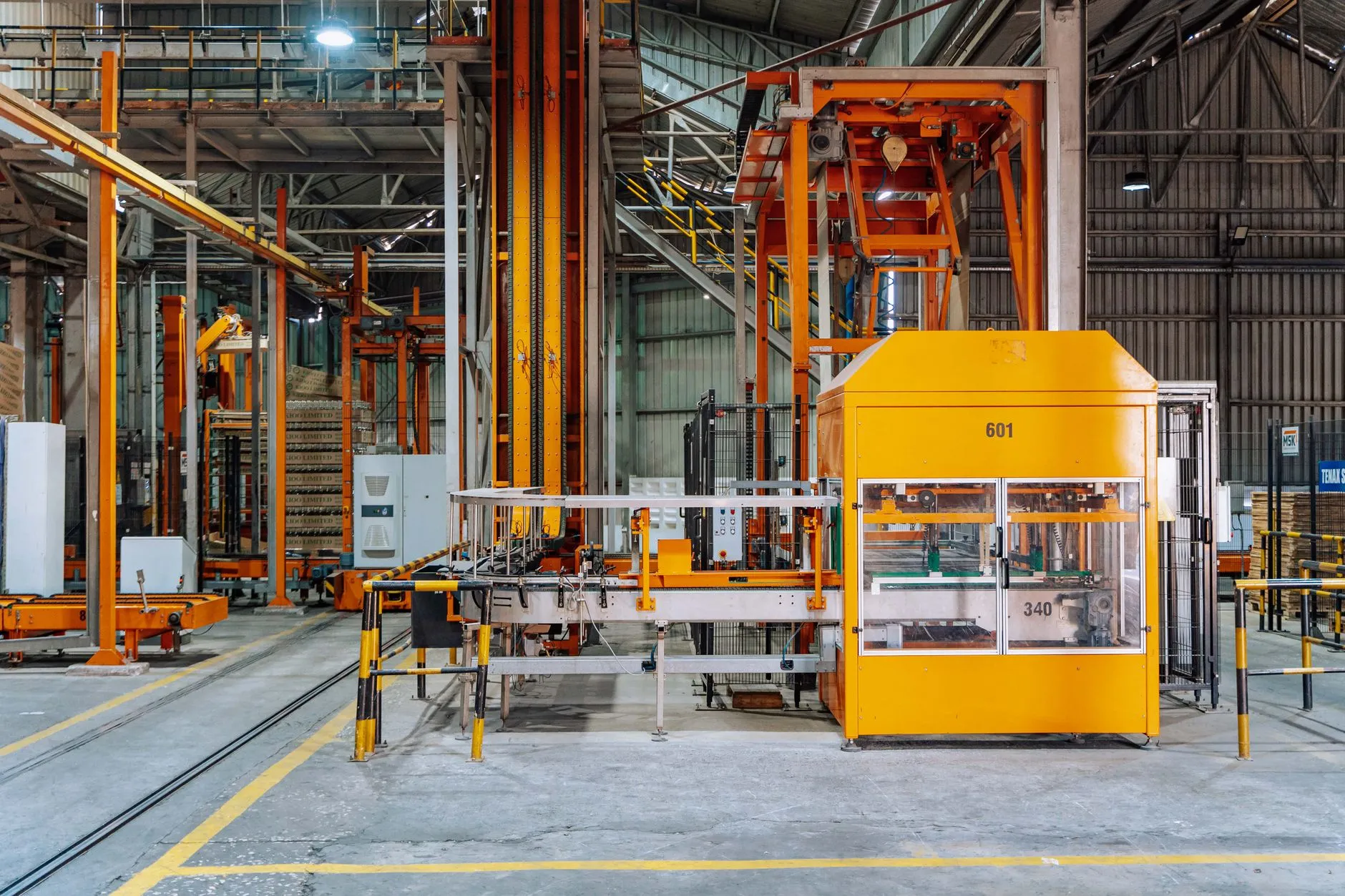
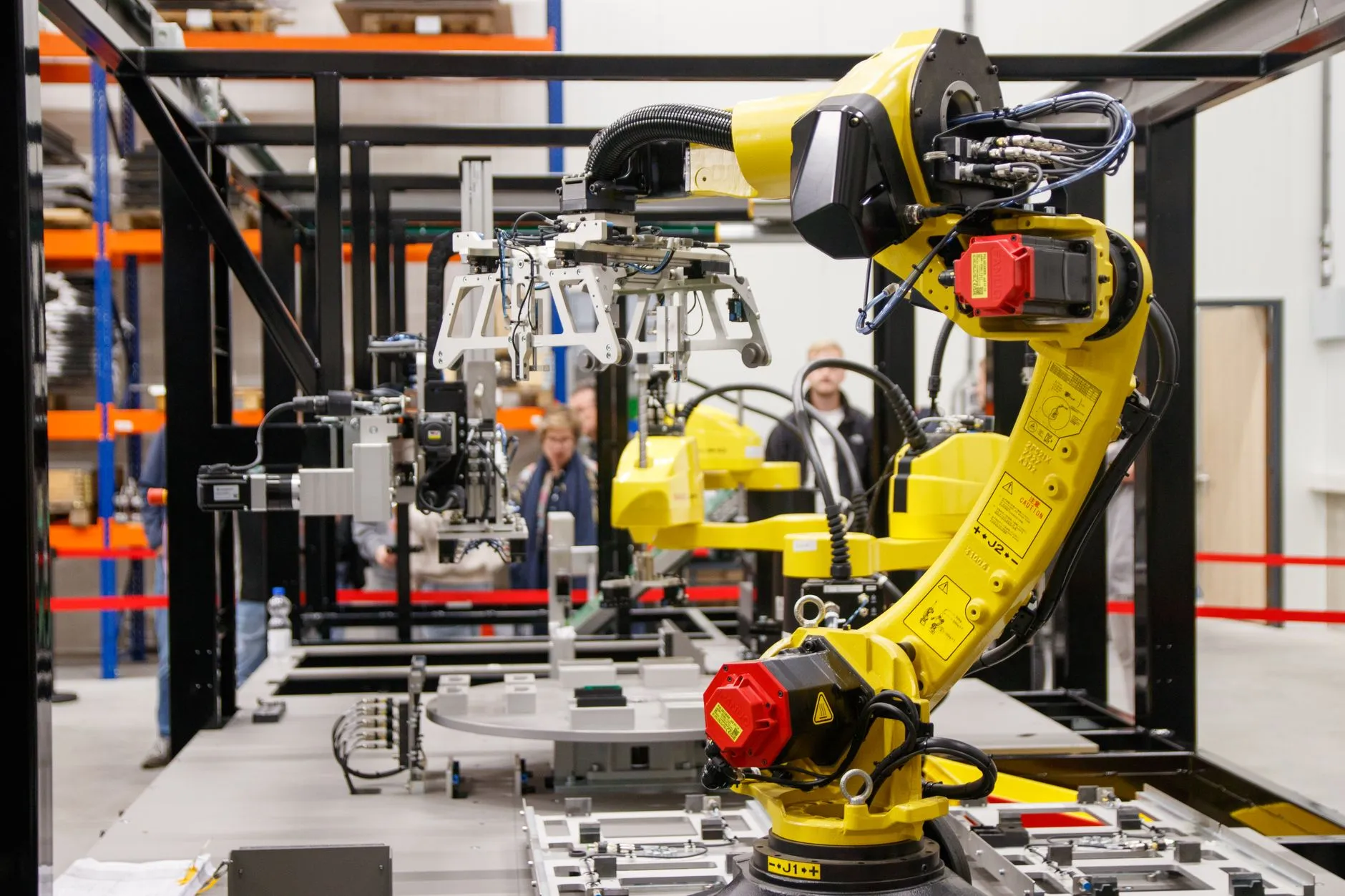
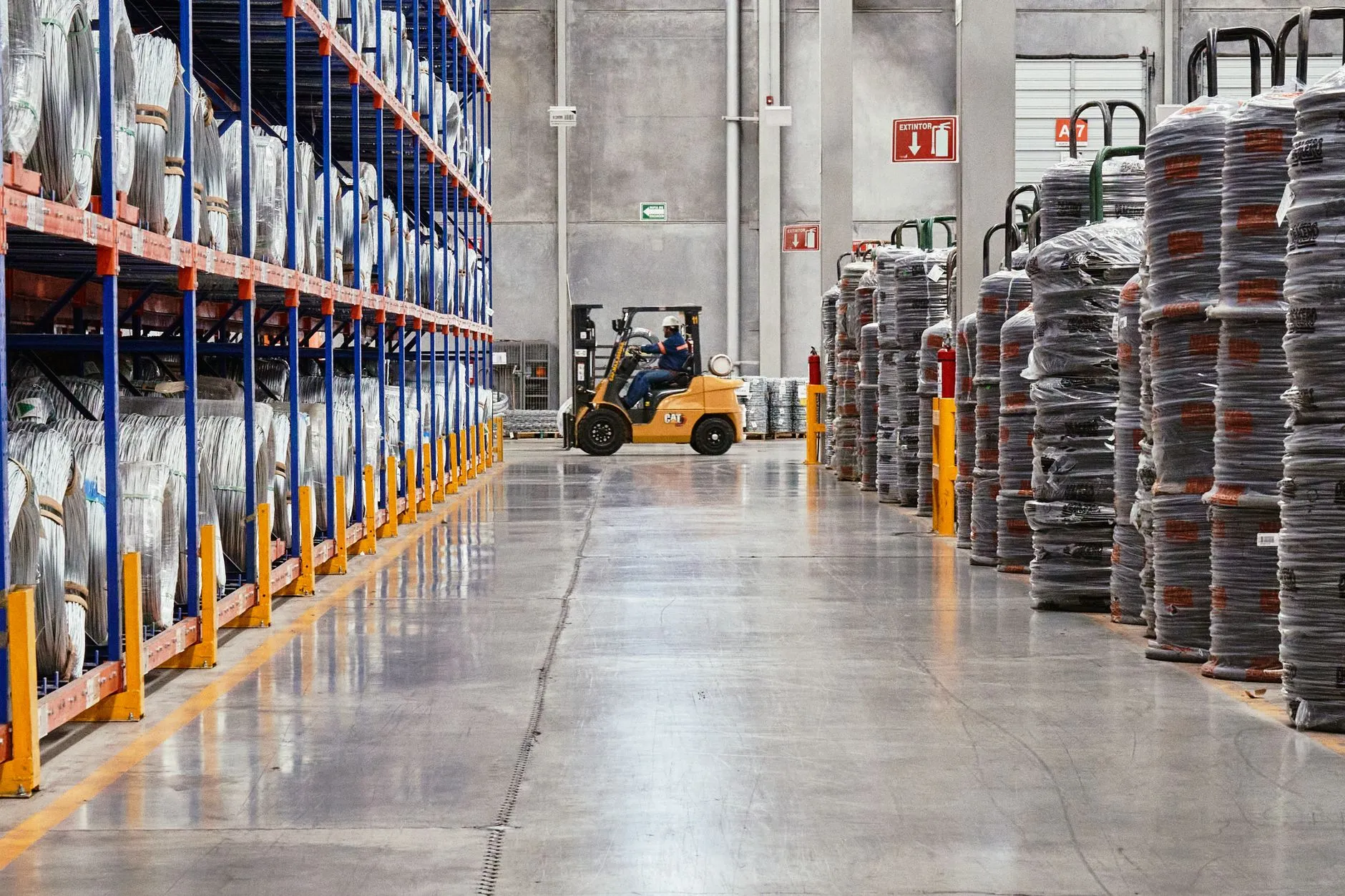

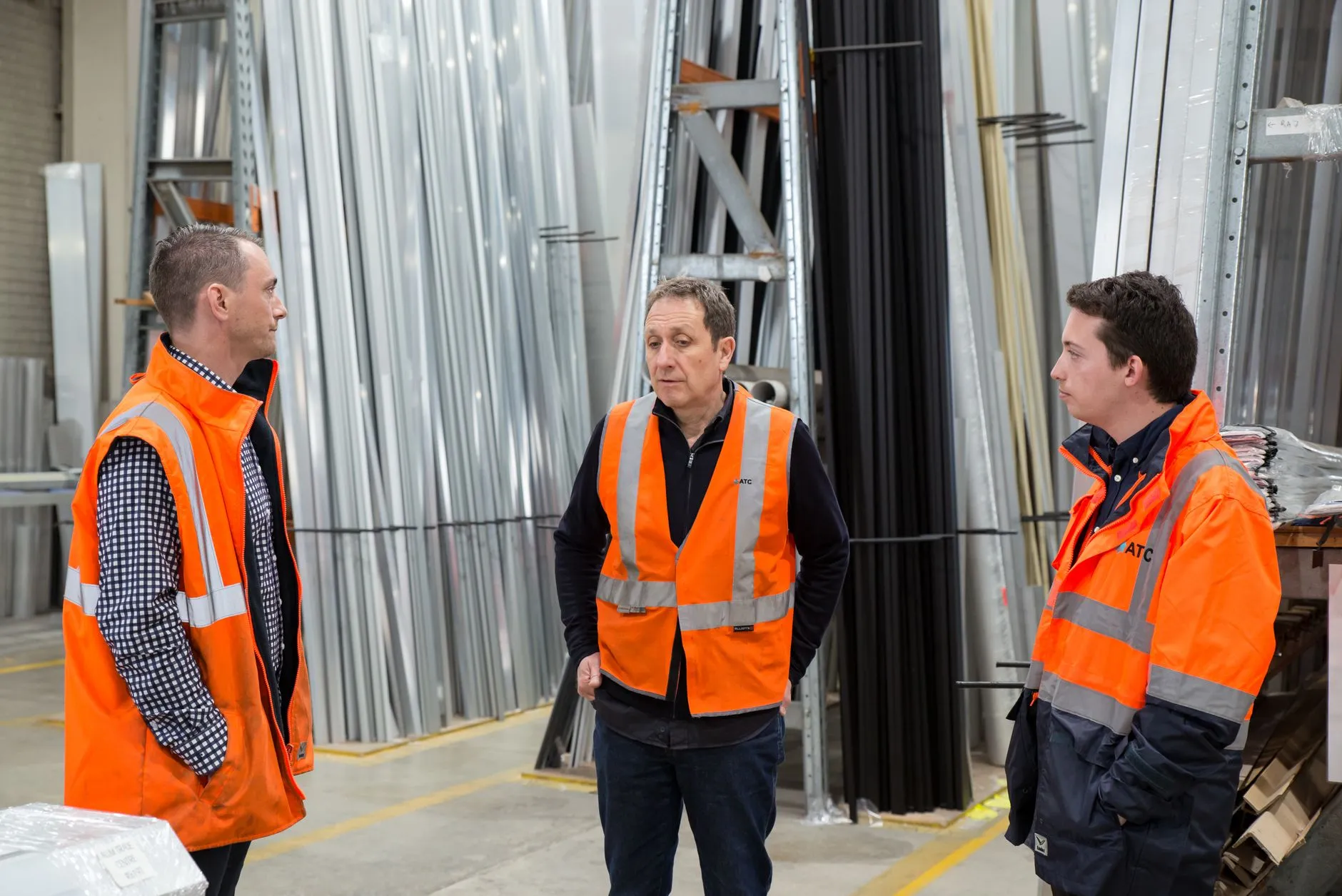
Nineteen Years on the Floor, Not in the Tower.
Every Halvorsen engineer has run a shift, not just modeled one. We do our stopwatch work standing next to your operators, our layouts get sanity-checked by the people who'll work in them, and our recommendations come with the math shown. The Ohio Valley makes real things — we're the engineers who make making them easier.
- ✓Licensed PEs with plant-management scar tissue
- ✓Recommendations ranked by payback, not by fee
- ✓Your operators in the room for every review
Where the Work Happens
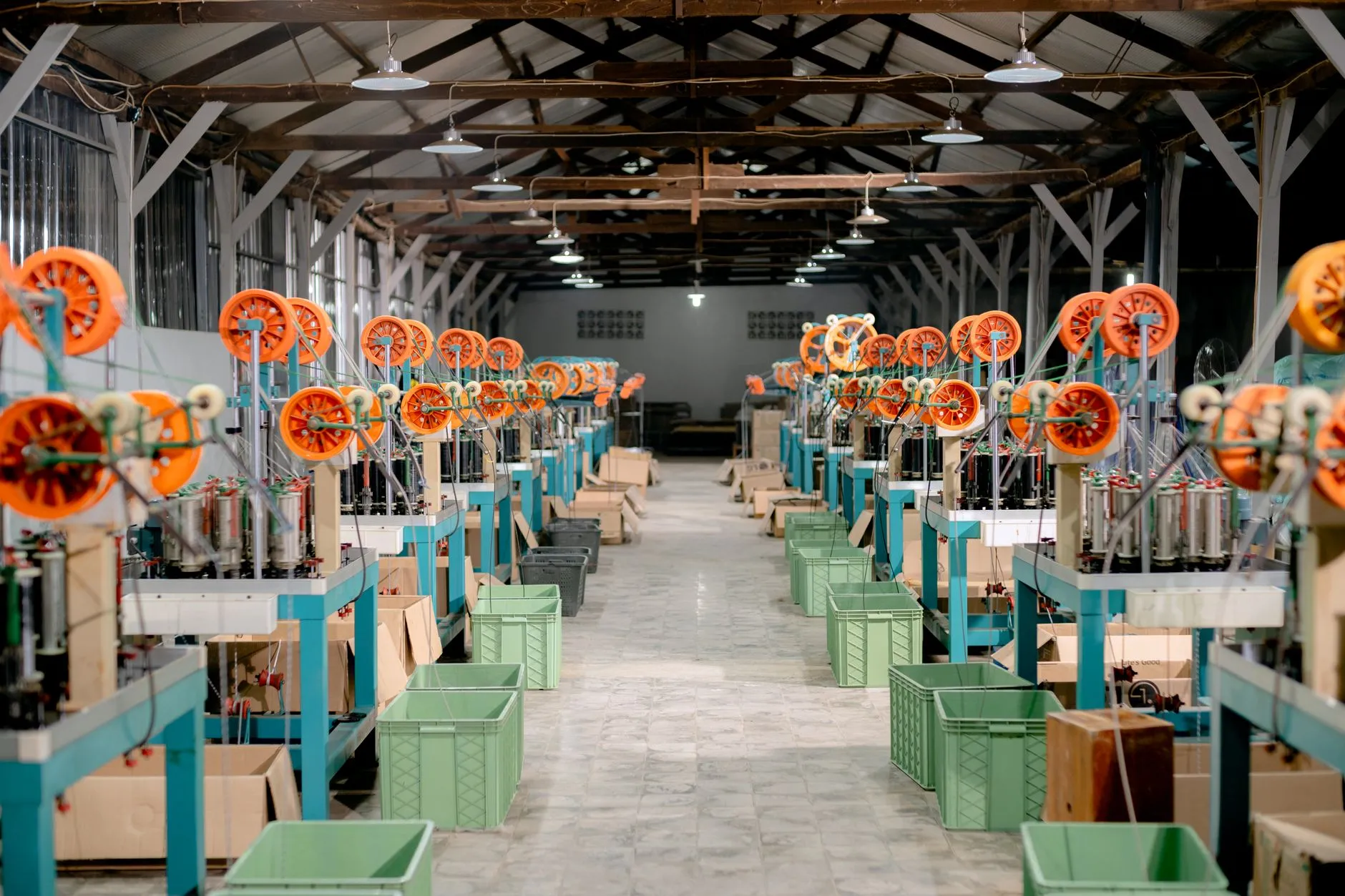
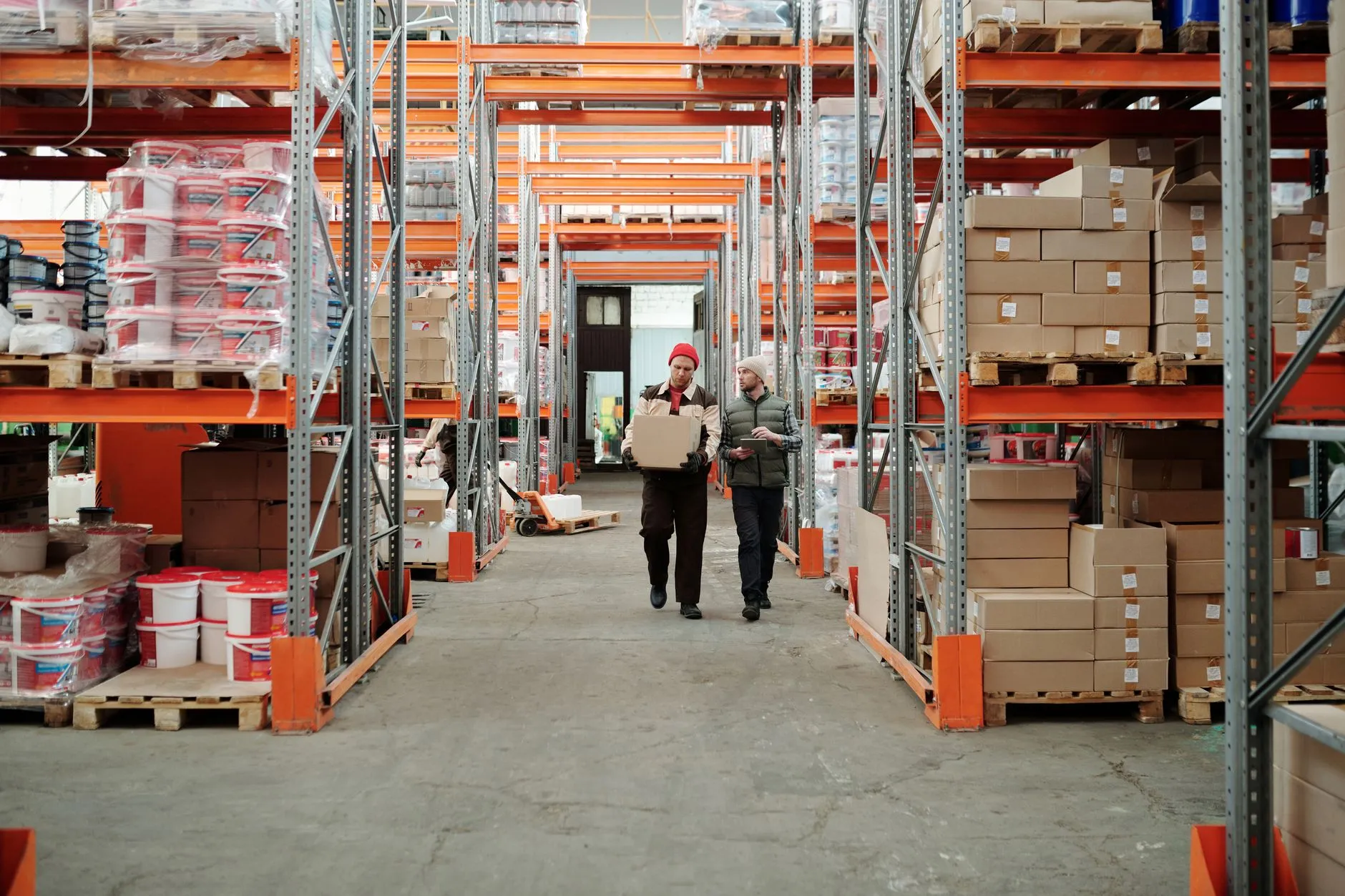
Machine shops, food plants, distribution centers, assembly operations — if it has a takt time or a pick path, we've probably improved one like it.


Walk. Model. Design. Prove.
The same discipline for a single cell or a whole plant — reality first, simulation second, drawings third, and results measured on the floor.
Walk the Line
Time studies, spaghetti maps, and shift-long observation. We measure what happens, not what the SOP says happens.
Model & Simulate
The current state built in simulation, validated against your actuals — then the improvements tested where mistakes are free.
Design & Sequence
Layouts, line balances, and automation specs drawn to install — with a migration plan that doesn't stop production.
Run & Prove
We're on the floor for go-live, and we measure the result against the promise. The project ends when the numbers land.
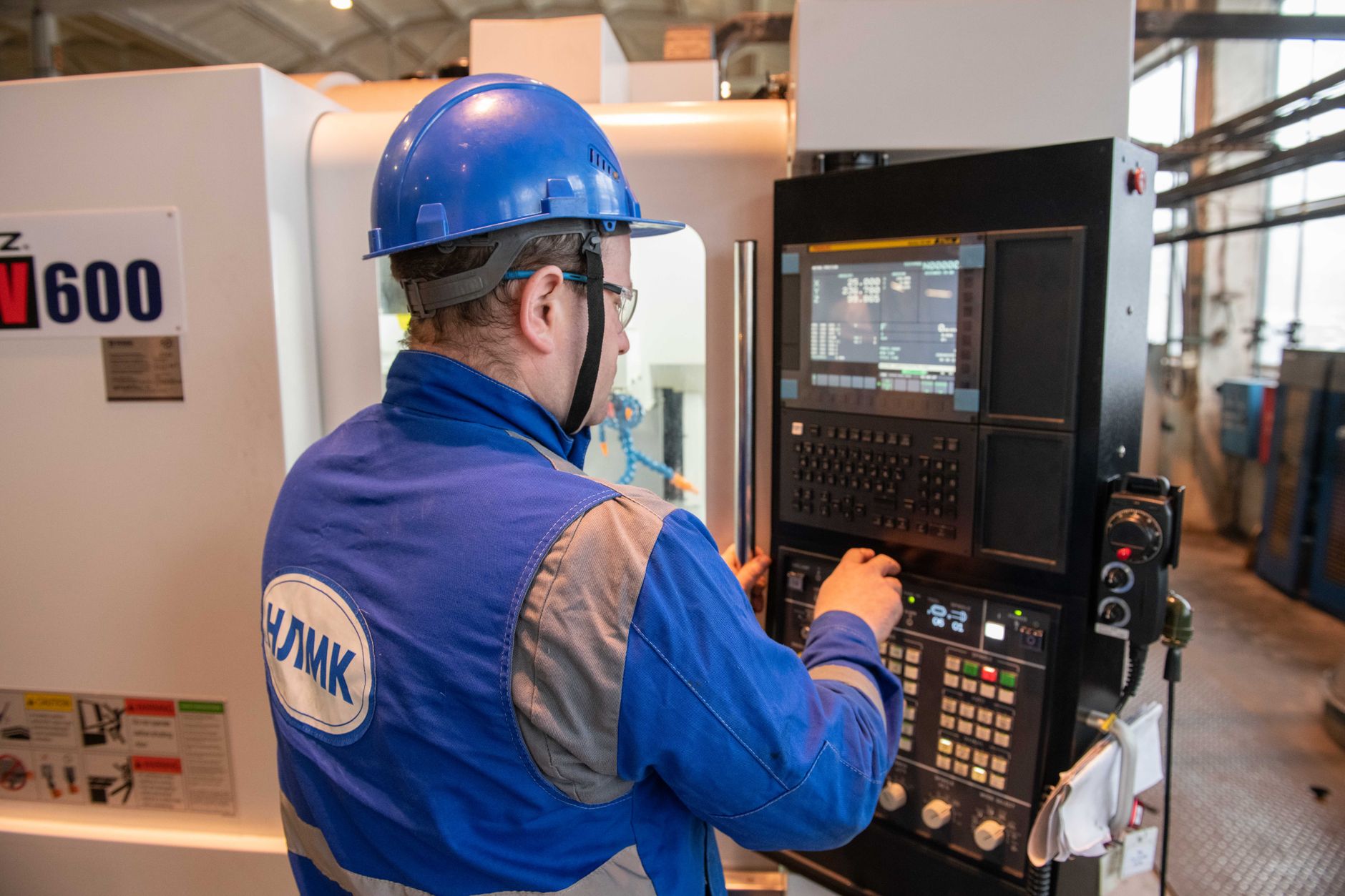
Your Bottleneck Isn't Where You Think.
Plants chase the loudest machine, the newest hire, the oldest excuse. The data usually points somewhere quieter — a changeover that eats an hour, a buffer that starves the constraint, a layout that makes every operator a part-time forklift. We find the real constraint and fix that one first.
- ✓Constraint analysis from your actual run data
- ✓Changeover (SMED) programs your crew keeps running
- ✓Fixes sequenced by payback, fastest first
Why Our Numbers Hold Up
Measured on Your Floor
No industry-average assumptions. Cycle times, changeovers, and downtime come from your machines, your crew, your shifts — stopwatch and data historian both.
Simulated Before It's Built
Every layout and line design runs in discrete-event simulation against a year of your demand. If it starves, blocks, or bottlenecks, we find out on screen.
Proven After Go-Live
Thirty, sixty, and ninety days after startup we're back with the same stopwatch. The report says what we promised, what it did, and the gap — signed.
What the Plants Say
We were quoted seven figures for a building expansion. Halvorsen re-laid-out the floor we already had, rebalanced two lines, and found thirty-one percent more capacity inside the same walls. The expansion is off the books.
Their simulation caught that the new palletizer would starve the line four hours a shift. We bought the right machine instead of the big one — and it paid for their whole engagement in the first quarter.
First consultants we've had who put on earplugs and stood at the machine for a full shift before opening a laptop. The changeover fix came from watching, not from a template.
Asked Before the First Walkthrough
Will a study disrupt production?
No — observation is designed around your schedule. Time studies happen during normal running, interviews happen at breaks and shift changes, and anything intrusive gets planned into existing downtime windows. The plant shouldn't notice we're there until the report lands.
We're a 40-person shop, not a Fortune 500 plant. Too small?
You're our core client. Small and mid-size manufacturers get the biggest percentage gains because nobody's ever engineered the flow — it grew one machine at a time. A two-week engagement often finds double-digit throughput in a shop that size.
What does an engagement cost?
A focused bottleneck study starts in the low five figures; a full plant re-layout with simulation is a bigger, phased number. Every proposal shows the expected payback next to the fee — if the math doesn't clear a 12-month return, we'll tell you not to hire us.
Are you tied to any automation vendor?
None. We don't sell robots, racking, conveyors, or software, and we take no integrator commissions. When we spec automation, the ROI math is the only thing we're selling — which is why we've talked clients out of automation as often as into it.
What simulation tools do you use?
Industry-standard discrete-event simulation, validated against your historical run data before we test a single change. You get the model at the end — with a walkthrough so your team can keep asking it questions.
How fast can you start?
A walkthrough usually happens within two weeks of the first call. If the line is down or a capex decision has a board date, say so — we've started studies on 48 hours' notice.
Book a Floor Walkthrough
Tell us what you make and where it hurts — an engineer walks your floor, no charge, and tells you whether there's a project worth doing.
- Visit us312 Elm Street, Suite 1450, Cincinnati, OH 45202
- Call us(513) 555-0164
- Email usplans@halvorsenprocess.com