Amputee Physical Therapy in Little Rock, AR
Before the surgery, through the first socket, and for as long afterwards as it takes. We work in the same room as your prosthetist, which is rarer than it should be and changes everything.
The Prosthetist Is In the Room
Almost all of the frustration in this field lives in the gap between the person who builds the limb and the person who teaches you to walk on it.
Joint Appointments
Your prosthetist attends here for fitting and alignment sessions. Adjustments get made while we watch you walk, rather than described over the phone and interpreted a week later.
We Film Everything
Gait video from four angles at each stage. It shows you what has changed, and it shows your prosthetist exactly what the limb is doing at heel strike rather than what you remember it doing.
We Measure It
Walk speed, the Amputee Mobility Predictor, timed up-and-go, socket comfort scores. Numbers that matter for your progress and, when it comes to it, for your funding.
We Don't Discharge You Early
Most people are discharged as soon as they can walk across a room. That is roughly a third of the way through. Slopes, kerbs, grass, gravel, crowds, carrying things and fatigue all come after.
Peer Contact
We'll introduce you to someone at a similar level who is a year or two ahead, if you'd like. It is consistently one of the most useful things we do and none of it is clinical.
We Come to the House Once
Steps, thresholds, bathroom, the route to the car. Every home has three or four specific problems and they're much easier to solve when we've seen them.
Every Stage, Including the Ones People Skip
The two most commonly missed are the weeks before surgery and the year after everybody stops asking how you're getting on.

Sixteen Years and One Population
Calderwood has been on South Main Street since 2010, working exclusively with people who have lost a limb or are about to.
Specialising this narrowly buys pattern recognition you cannot get any other way. Most of what goes wrong in prosthetic rehabilitation is not dramatic — it is a slightly short step length that becomes a sore back two years later, or a socket blamed for a problem that is actually a weak hip. Seeing several hundred gait patterns a year is what makes those visible in ten minutes.
We also say the things that are easy to leave unsaid. Not everybody walks unaided again, and pretending otherwise helps nobody. What we will do is be honest early, plan around what is genuinely achievable, and take that goal as seriously as anyone else's.
- ✓Limb loss and prosthetic rehabilitation only
- ✓Prosthetist attends fitting sessions here
- ✓Gait filmed from four angles at every stage
- ✓One home visit included in every plan
Four Stages, and How Long Each One Really Takes
Before Surgery — If There's Time
Two or three sessions makes a measurable difference: upper body and remaining-limb strength, transfers practised before you need them, and knowing what the first fortnight looks like. Elective amputations should always get this and rarely do.
Weeks 0-8 — Before the Prosthesis
Wound and oedema management, limb shaping, desensitisation, contracture prevention, wheelchair skills and independence at home. This stage decides how easily the first socket fits, and it is the stage most often rushed.
Months 2-6 — Learning the Limb
First fitting, then walking. Parallel bars, then a frame, then sticks, then nothing — at whatever pace your limb and confidence allow. Sockets get revised repeatedly as the limb changes shape, which is normal and not a setback.
Months 6-18 — The Part People Skip
Slopes, kerbs, grass, gravel, stairs without a rail, carrying a bag, crowds, and endurance. This is where independence actually lives, and it is well past the point most services discharge you.
Afterwards — Come Back When Things Change
New componentry, weight change, a different job, a new goal, or a limb that has stopped feeling right. Our patients drift back every couple of years and that is exactly how it should work.
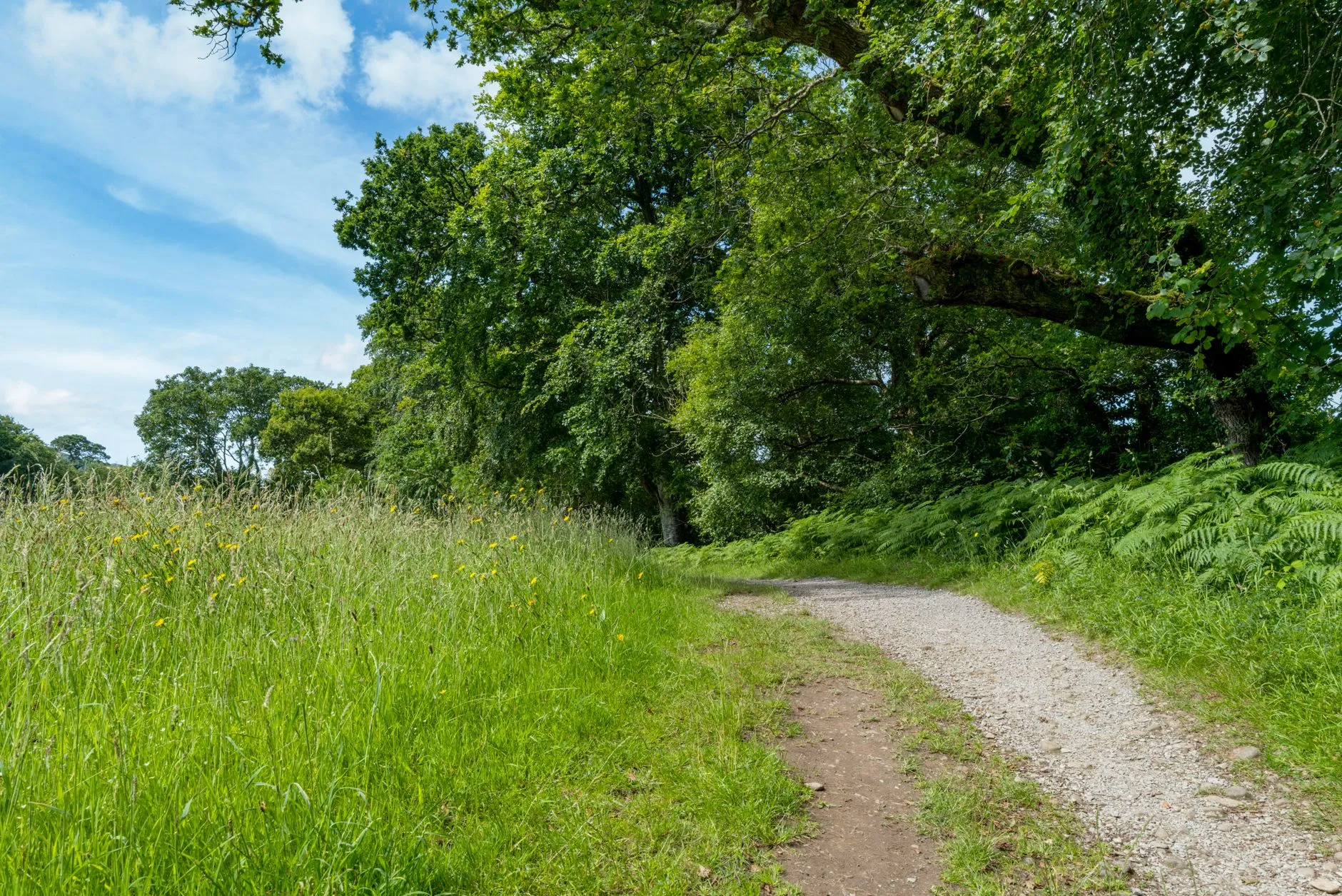
Bars, Ramps, Kerbs and a Gravel Path
Ground floor on South Main, with a training terrain course out the back because a flat clinic floor teaches you almost nothing.


What the First Appointment Involves
The Whole Picture
Cause and level of amputation, other health conditions, your home, your work, your prosthetist, and what you most want back. That last answer shapes the entire plan.
Examination
Residual limb condition and shape, range and strength, the sound limb, balance, and your current prosthesis if you have one — including how it's actually being worn rather than how it should be.
Filmed Gait Analysis
If you're walking, we film it from four angles. Most people have never seen themselves walk on a prosthesis, and it is usually the most informative twenty minutes of the visit.
A Plan, and a Call to Your Prosthetist
Written goals with realistic timeframes, and — with your permission — a call to your prosthetist that day so you're not the messenger between us.
Sixteen Years of First Steps
They saw me three weeks before the amputation. Shaping, desensitisation, and getting the other leg strong enough to take the load. My prosthetist said my limb was the easiest first socket he'd fitted all year, and I know exactly why.
I'd been told the socket was fine and I just needed to get used to it. They watched me walk for ten minutes, said the socket was fine and my hip abductors weren't, and fixed that instead. Six weeks and the limp is gone.
Phantom pain kept me awake for months and nobody had anything useful to offer. Mirror therapy sounded ridiculous when they explained it. It worked, and I now sleep through the night.
The Administrative Part, Answered
Covered by Medicare and the Major Carriers
Prosthetic training is covered physical therapy. We're in-network with Arkansas Blue Cross Blue Shield, UnitedHealthcare, Aetna, Cigna and Medicare, and we verify your benefits before your first visit.
We Document for Your K-Level
Functional level determines what componentry gets funded, and it is decided on documented evidence. We measure and record the things that matter, which is often the difference between an approval and an appeal.
Parking at the Door, Ground Floor
No steps into the building, wide doorways throughout, and an accessible bathroom with a transfer bench. Obvious, and worth stating.
A Referral Helps, and Isn't Required
Arkansas has direct access. For prosthetic work we like your surgeon and prosthetist in the loop from the start, so we'll ask — and write to them either way.
Family Are Welcome
In every session. Transfers, falls recovery and skin checks are much easier when the person at home has practised them with us.
Longer Appointments
Sixty minutes as standard, ninety for fitting sessions with your prosthetist. Prosthetic rehab cannot be done in thirty and we don't pretend otherwise.
Come In At Any Stage
Before surgery is ideal. Eighteen months in and stuck is very common. Ten years on with something newly wrong is welcome too.
What People Ask Us
My amputation is scheduled. Should I come before?
Yes, and it's one of the most useful things you can do. Two or three sessions beforehand — upper body strength, transfers, sound-limb conditioning and knowing what to expect — measurably shortens the time to walking afterwards. Elective amputations rarely get offered this.
How long until I'm walking on a prosthesis?
For an uncomplicated below-knee amputation, a first fitting is often six to twelve weeks after surgery, with walking developing over the following few months. Above-knee takes longer and requires substantially more of you. Other health conditions matter more than age does.
Is my socket the problem, or am I?
Frequently the most useful question in the room, and it's answerable. We film your gait and examine the limb, and usually the answer is clear within a session. If it's the socket you go back to your prosthetist with specifics; if it's strength or technique, that's ours to fix.
Is phantom limb pain treatable?
Often, yes. Mirror therapy and graded motor imagery have real evidence behind them, alongside desensitisation and, where appropriate, medication managed by your physician. It's very commonly under-reported because people assume nothing can be done.
Will I be able to run again?
Many people can, with the right componentry and training — and it's a specific goal we plan toward rather than something that happens on its own. It usually needs a separate running prosthesis, and we'll help you make that case to your insurer.
What if I can't manage a prosthesis?
Some people can't, or decide they'd rather not, and that is a legitimate outcome rather than a failure. Wheelchair skills, transfers, upper body strength and home independence are then the goal, and we take that work every bit as seriously.
South Main Street, Little Rock
Tell us where you're up to and what you'd most like to get back to. The second answer shapes the plan more than the first.