Art Therapy in Providence, RI
For the things you cannot get to in a sentence. No artistic skill required — and nothing you make here is ever shown to anyone.

You Do Not Have to Be Good at This
Almost everybody says it in the first ten minutes: I can't draw. Good. Being good at art is not only unnecessary here, it is occasionally a nuisance — people with training tend to make something competent instead of something true.
Art therapy is not an art class and it is not a craft session that happens near a therapist. It uses making as a route to material that talking cannot reach, which is a specific clinical claim rather than a nice idea. Some things sit in a part of the brain that language does not have good access to — early experience, trauma, anything that happened before you had words for it. A sentence has to go through the part of you that edits. A hand moving on paper mostly does not.
Which is why people frequently arrive articulate and leave surprised. You can describe a feeling perfectly for a year without once being in it.
Everything you make stays yours. It is stored here if you want it stored, given to you if you want it, and destroyed if you want that. Nothing is displayed, photographed for a website, or shown to anybody.
- ✓No artistic skill required — training is genuinely not an advantage
- ✓Not an art class and not craft: making is the clinical route in
- ✓Everything you make stays yours, stored or given back or destroyed
- ✓Nothing is ever displayed, photographed or shown to anyone
Materials, Not Décor
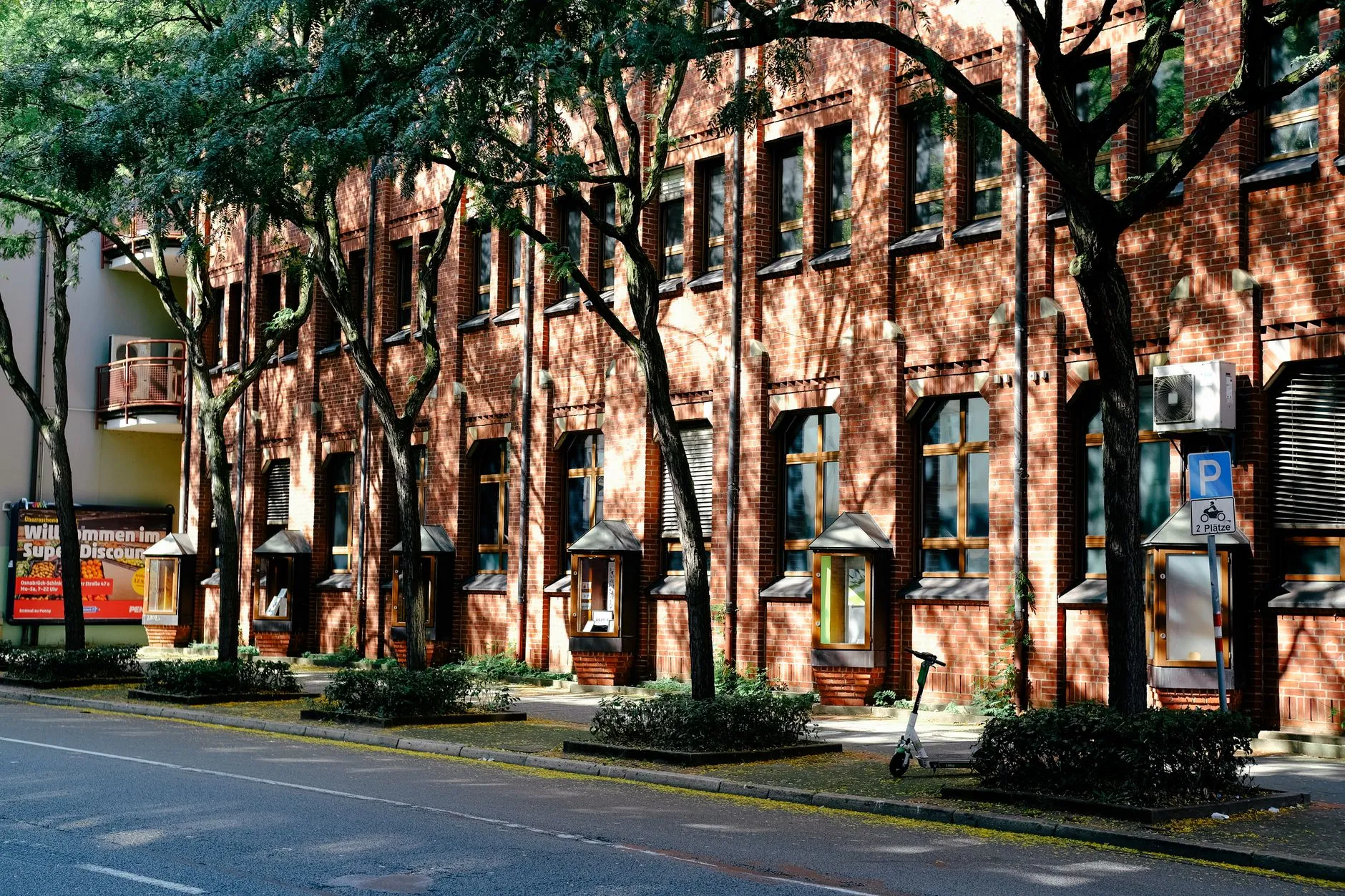
Fourth floor on Westminster Street. Sinks, big tables, and a lot of things you are allowed to ruin. Every image here is of the room and the materials — never of anybody's work.


Who It's For
Six ways people come to this. The last one is not a joke — it is the single most common reason adults call.
Not sure whether this is for you? The free call is partly for working that out, and we will happily tell you if straightforward talk therapy would serve you better.

About Ten Minutes of Talking, Then Your Hands Start
People imagine either an art class with a therapist hovering, or being handed a crayon and asked what it means. It is neither.
A session usually opens with ten minutes of talking — what the week held, where things are. Then you make something, for roughly half the hour. Sometimes there is a prompt, often there is not, and quite frequently the material chooses itself: some weeks it is obviously clay, some weeks it is obviously tearing paper into small pieces.
The last stretch is the part that surprises people. We look at what you made — not to interpret it at you, because a therapist announcing what your painting means is doing something closer to a party trick. You describe it. What you notice, what surprised you, what you nearly did and didn't. The therapist asks questions. Meaning tends to arrive from your side of the table.
And there are long stretches where nothing seems to be happening, which is normal and not a sign it is failing. Several months in, people look back through what they have made and see the pattern in a way that no interpretation could have delivered.
- ✓~10 minutes talking · ~30 making · ~10 looking at what happened
- ✓No interpretation done at you — you describe, the therapist asks
- ✓Prompts when useful, no prompt when not; the material often decides
- ✓Weeks where nothing seems to happen are part of it, not a failure
Three Things That Are Not Obvious
The mechanisms behind why making reaches things talking does not.

Your hands edit less than your mouth
Speech routes through the part of you that manages how you come across. A hand moving on paper mostly does not, which is why people are so often surprised by what turns up.

The thing sits outside you where you can look at it
A feeling described stays inside the conversation. A feeling made sits on the table, at a distance, where it can be examined without being relived — which is exactly what makes it safe to approach.

The record is honest in a way memory is not
Twelve weeks of work laid out in order shows a trajectory nobody could argue you into believing. People routinely see the change in their own materials before they feel it in their week.
Four Things People Worry About
All four come up on nearly every first call.
I genuinely cannot draw
Neither can most people who come here, and it makes no difference whatsoever. Art therapists are trained to work with the process rather than the product. If anything, people with formal art training have to spend the first few weeks unlearning the urge to make something good.
Will you analyse my drawing and tell me what it means?
No, and be wary of anyone who does. Reading fixed meanings off imagery — this colour means that, this shape means the other — is not how the modality works and is closer to a parlour trick. You describe what you made; the therapist asks questions. Meaning comes from your side.
Does anyone see what I make?
Nobody. Nothing is displayed in the studio, photographed for the website, or shown to anyone. Your work is stored here if you want it stored, handed back if you want it, and destroyed if you would rather — and plenty of people choose that last one.
Is this real therapy or is it a craft group?
Real therapy. Every therapist here holds a master's degree and board certification (ATR-BC), the same as any licensed clinician, and art therapy has a substantial evidence base for trauma, anxiety and work with children. If a place cannot tell you its therapists' credentials, that is worth noticing.

What It Costs, Before You Have to Ask
Here it is plainly, including the materials question everybody asks last.
Individual sessions are $150 for 60 minutes — longer than a standard therapy hour because making takes time and a clock should not decide when you stop. The first session is 75 minutes at $195. Children's sessions are $140 for 50 minutes. The eight-week teen studio group is $320 in total.
Materials are included. All of them, always. Nobody is asked to bring anything or to be careful with the good paper — being careful with materials is the opposite of what we want in the room.
We are in network with Blue Cross Blue Shield of Rhode Island and Tufts. Art therapy is billed under standard psychotherapy codes, so coverage is usually the same as it would be for talk therapy — we will verify your specific plan before your first session rather than after.
Eight reduced-fee places are held at any time, starting at $60. Just ask on the call.
- ✓$150 for a 60-minute session · $195 for the 75-minute first session
- ✓Materials always included — nobody brings anything or spares the good paper
- ✓In network with BCBS of Rhode Island and Tufts, billed as psychotherapy
- ✓Eight reduced-fee places from $60 — just ask, no paperwork
Fifteen Minutes, and No, You Do Not Need to Be Able to Draw
A call with the therapist you would actually see. If talk therapy would serve you better we will say so plainly and name good people in Providence. You can also write to hello@pigmentandpause.com.
Things People Ask on the First Call
Is art therapy actually evidence-based?
Yes, with the strongest support in trauma, work with children, and populations where verbal therapy is a poor fit — including people with communication differences and those whose difficulty predates language. It is not a replacement for every treatment; for obsessive-compulsive disorder, for instance, exposure and response prevention has far better evidence and we will refer you there.
What qualifications do art therapists have?
A master's degree in art therapy plus supervised clinical hours, leading to registration and board certification — ATR-BC. Every therapist here holds it. It is worth asking any practice this question directly, because "art therapy" is not a protected term everywhere and the training gap between a certified therapist and an art facilitator is very large.
Can we do this online?
For adults, yes, and it works better than people expect — we agree a small materials kit and you make in your own space, which some people prefer. For children we strongly recommend in person, because the sand tray and the mess are a substantial part of the mechanism and neither travels down a video call.
My child won't talk about what happened. Will this help?
This is one of the situations art therapy is best suited to. Young children do not have the verbal capacity to narrate distress, and expecting it of them is a category error. A child will show you in a sand tray or a drawing what they cannot possibly put into a sentence, and they can do it without having to relive it in words.
Do I have to talk about my art?
You have to describe it if you want the second half of the mechanism, but there is no obligation to explain, justify or find a meaning. Plenty of sessions end with "I don't know what that is" — which is a completely legitimate place to leave something, sometimes for weeks.
What happens to everything I make?
It is yours. We store it here in a closed portfolio if you want it stored, give it to you whenever you ask, and destroy it if you would rather — a good number of people choose destruction, sometimes as the closing act of the work. Nothing is ever displayed or photographed.
Book a Free 15-Minute Call
Tell us a little about what is going on — a sentence is plenty. A therapist replies personally, usually within one business day. You can also write to hello@pigmentandpause.com or call (401) 555-0129.