Save Your Trees with Expert Cabling & Bracing in Charlotte, NC
Before you remove a valuable tree with a split or weak fork, let a specialist look. Bracewood installs the cabling and bracing that keeps mature and heritage trees standing safely — often saving the trees others give up on.

Structural Support That Saves Trees
Cabling, bracing, and preservation are specialized work. When a valuable tree has a structural weakness, this is how it's saved.

We Save the Trees Others Give Up On
Bracewood was founded in 2006 by an arborist who kept watching beautiful, structurally-flawed trees get removed when they could have been saved. Cabling and bracing is a real specialty — part engineering, part arboriculture — and most tree companies simply don't do it well, or at all.
We do it, and little else. Every support system we install is designed for the specific tree: the right cable placement, the right hardware, the right tension — installed by ISA-certified arborists who understand tree structure and biomechanics. Three and a half thousand trees later, Charlotte's homeowners come to us specifically to keep the trees they love standing safely for another generation.
- ✓Cabling & bracing is our specialty, not a sideline
- ✓Systems designed for the specific tree
- ✓ISA-certified arborists who know biomechanics
- ✓3,500+ trees preserved since 2006
Why Saving a Tree Beats Removing It
A mature tree is worth far more than most people realize — and a good support system is a fraction of the cost of losing it.
Mature Trees Are Irreplaceable
A large, established tree took decades to grow. Cabling can keep it for another generation; removal means starting over.
Far Cheaper Than Removal
A cabling and bracing system typically costs a fraction of removing a big tree — and a fraction of the value it preserves.
Keeps the Shade and the Beauty
Your tree keeps its full canopy, shade, and character — no ugly gap where a treasured tree used to stand.
Makes a Risky Tree Safe
The whole point of a support system is safety: it dramatically reduces the chance of a weak limb or fork failing onto your home.
Trees We've Kept Standing
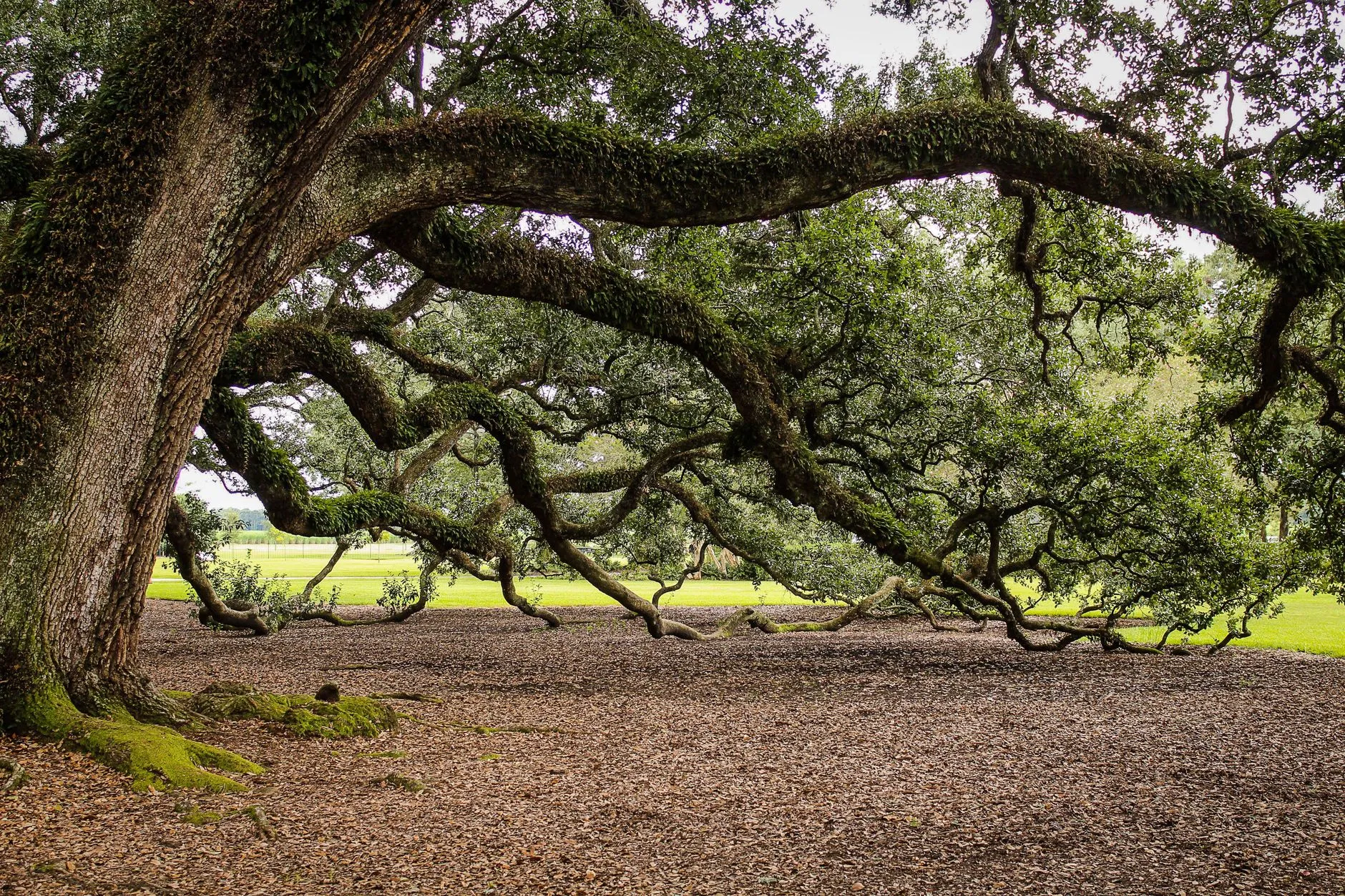
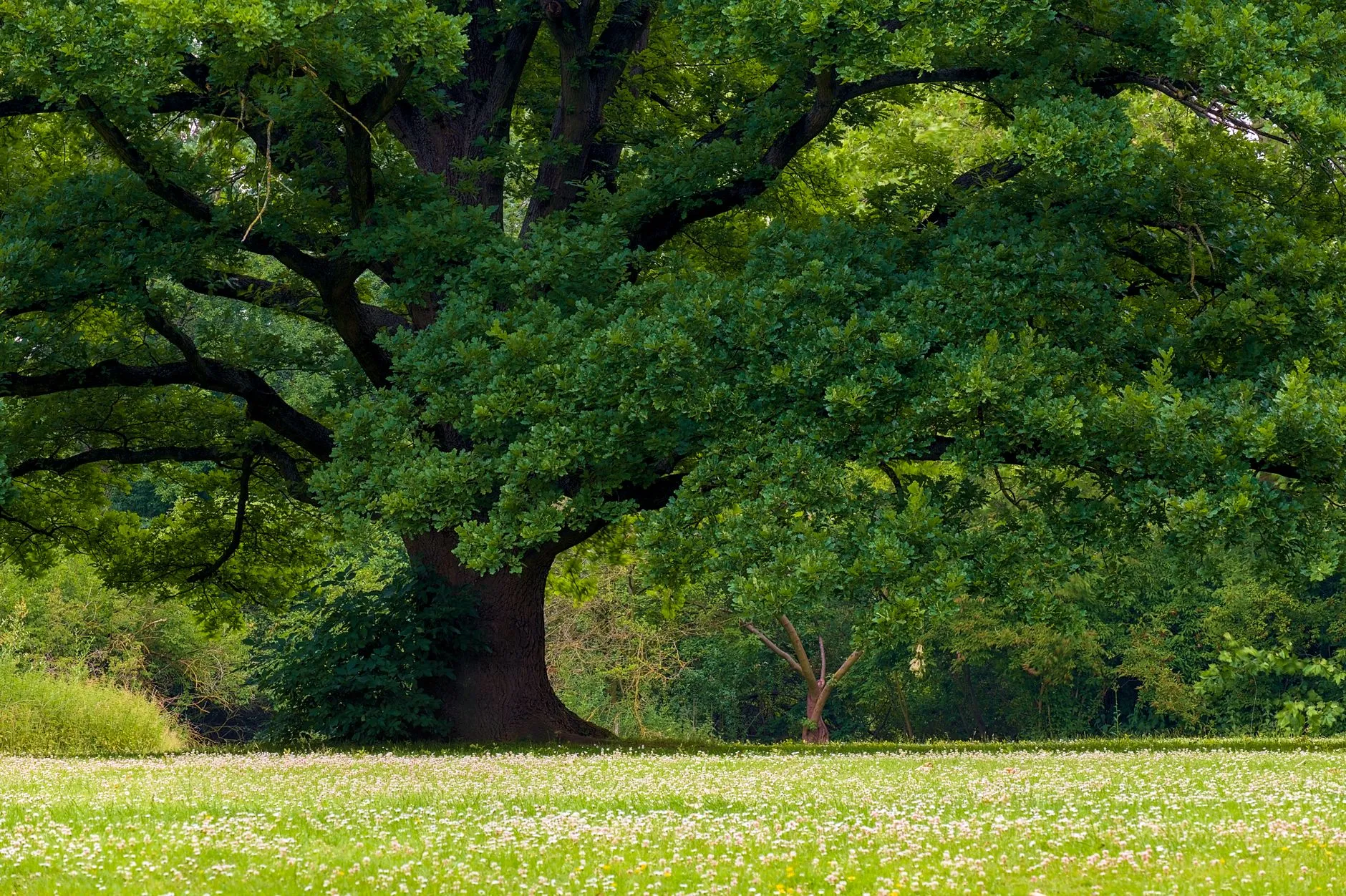
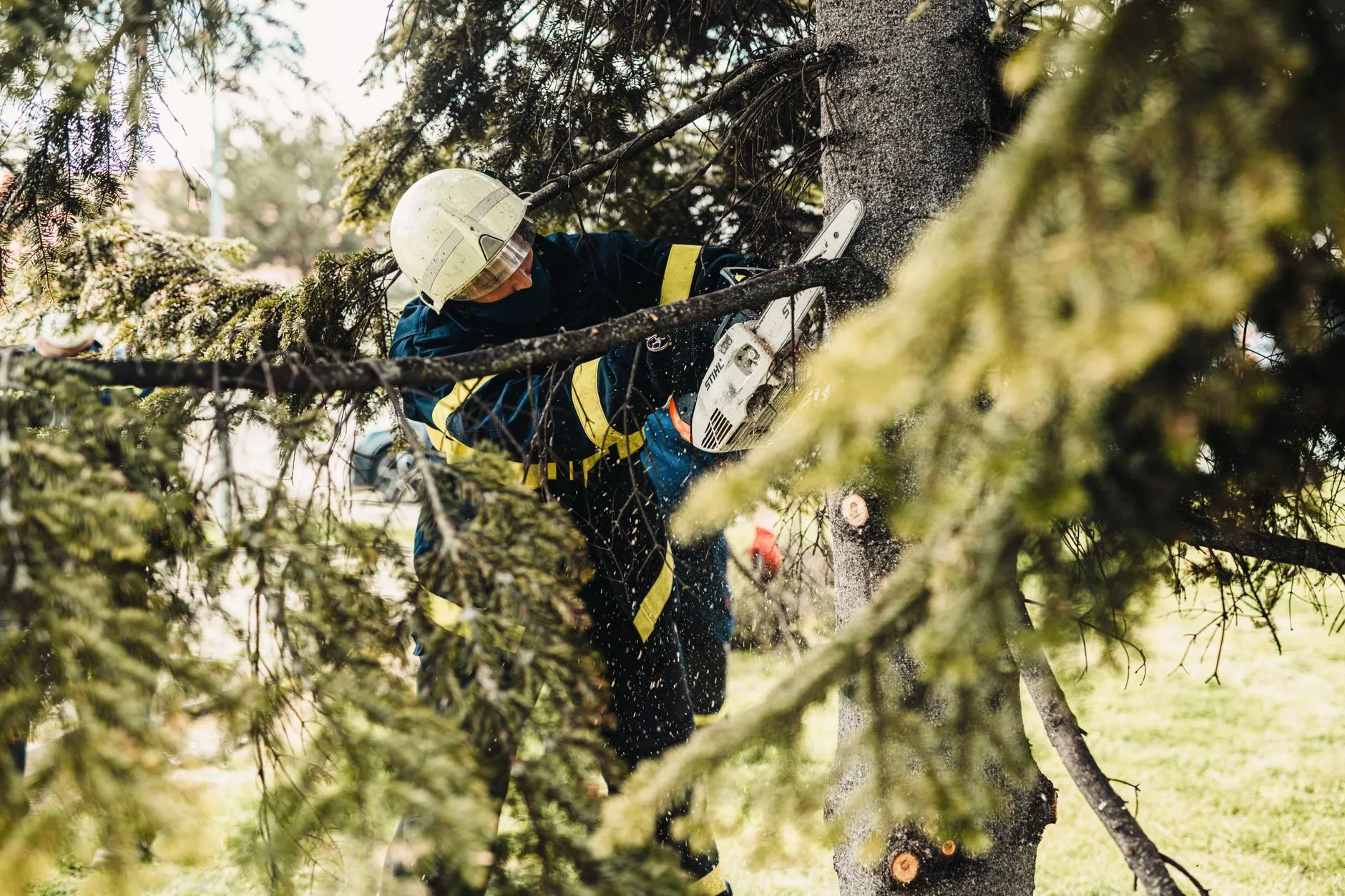
Cabling systems, brace rods, and preserved heritage trees across Charlotte — the work that saves a valuable tree.


From Assessment to Support
Saving a structurally-flawed tree starts with understanding exactly how it's failing.
Structural Assessment
Our arborist evaluates the tree's structure, identifies the weakness, and determines whether support can safely save it.
A Support Plan
You get a clear plan — cabling, bracing, structural pruning, or a combination — designed specifically for your tree, with a written quote.
Professional Installation
We install the support system with the right hardware and placement, high in the canopy, by certified arborists.
Monitoring & Care
We set up a schedule to inspect the system and the tree over time, keeping it safe and sound for years to come.

When a Tree Can Be Saved — and When It Can't
Not every tree with a flaw can or should be saved, and we'll always be honest about that. But far more trees can be preserved than most people are told. A tree with a weak but sound fork, a healthy tree with two competing leads, a heritage specimen with a manageable structural issue — these are exactly the trees a good support system keeps standing.
The key is a proper assessment before anyone reaches for a chainsaw. When you're facing a removal quote on a tree you love, a second opinion from a preservation specialist costs little and can save something irreplaceable. That's the assessment we're here to give you.
- ✓A weak but sound fork — often saveable
- ✓Two competing leads — supportable
- ✓Heritage trees with manageable flaws
- ✓An honest answer either way
Charlotte Trusts Us to Save Its Trees
A beloved old white oak in our front yard had a huge split fork and every tree company said it had to come down. Bracewood's arborist assessed it, installed cabling and a brace rod, and saved it. That was six years ago and the tree is thriving. They preserved something no amount of money could replace.
Our willow oak had two heavy leads growing apart and we were terrified one would drop on the house. Bracewood installed a proper cabling system, explained exactly how it works, and the tree is now safe and stable. Real specialists — this is clearly what they do, not a side service.
We have a heritage magnolia that's been in the family for generations and had developed a structural weakness. Bracewood treated it like the treasure it is — careful assessment, discreet bracing hardware, and a preservation plan. They saved a tree with real sentimental value to us. I can't thank them enough.
Get a Preservation Second Opinion
Before you remove a valuable tree with a split, weak fork, or storm-cracked limb, let a preservation specialist assess whether it can be safely saved. Often, it can.
Cabling & Bracing Questions, Answered
What exactly are tree cabling and bracing?
They're structural support systems installed in a tree to reduce the risk of failure. Cabling uses flexible steel cables installed high in the canopy to limit how far weak limbs can move and to share the load between them. Bracing uses threaded steel rods installed directly through a weak fork or split to hold it together rigidly. They're often used together, and both are about keeping a structurally-flawed but valuable tree standing safely.
Can cabling really save a tree that's cracked or splitting?
Very often, yes — especially if it's caught before the failure is complete. A tree with a weak or splitting fork, two heavy competing leads, or a cracked major limb can frequently be stabilized with the right support system and kept for many more years. The key is a proper assessment by a specialist to determine whether your specific tree is a good candidate. We'll always tell you honestly whether support will work or whether the tree is genuinely beyond saving.
How much does tree cabling cost?
It depends on the size of the tree and how many support points it needs, but the important context is this: a cabling and bracing system almost always costs a fraction of what it would cost to remove the tree — and a tiny fraction of the value a mature tree adds to your property. For a treasured or heritage tree, it's one of the best investments you can make. We provide a clear written quote after assessing your tree.
Will the hardware hurt or show on my tree?
Installed properly by a certified arborist, no. The tree seals around correctly-installed hardware over time, and the cables sit high in the canopy where they're barely noticeable from the ground. Done wrong, hardware can injure a tree — which is exactly why it should only be installed by an experienced arborist who understands tree biology and uses proper professional-grade materials.
How long does a support system last, and does it need maintenance?
A well-installed system can last many years, but it isn't install-and-forget. Cables and hardware should be inspected periodically to make sure they're still sound and appropriately tensioned as the tree grows. We set up a monitoring schedule for every system we install so your tree stays safe over the long term. Regular inspection is a key part of doing this properly.
Are you licensed, insured, and certified?
Yes on all three. Our work is done by ISA-certified arborists, we carry $2M in liability coverage plus workers' comp, and we're bonded. Cabling and bracing is specialized work that must be engineered correctly, so credentials genuinely matter here. We're always glad to provide proof of insurance and certification before we begin.
Let's See If Your Tree Can Be Saved
Tell us about your tree — a split, a weak fork, a cracked limb, or a heritage tree you want to protect — and we'll assess whether cabling and bracing can keep it standing safely.