Canopy Thinning & Deadwooding in Brooklyn, NY
The best canopy work is the kind you barely notice — deadwood gone, light coming through, the tree's shape untouched. Cleargrove does the fine, careful thinning and deadwooding that keep Brooklyn's trees healthy, safe, and bright.
Fine Canopy Work, Done Right
Not removal, not butchering — the skilled, subtle pruning that makes a tree healthier and more beautiful. That's all we do.

The Best Cut Is the One You Don't Notice
There's a quiet skill to fine canopy work that most tree crews simply don't have. It's easy to hack a tree back; it's hard to remove exactly the deadwood and the right selective branches so the tree is healthier and safer — and still looks completely natural, as if no one touched it.
That restraint is Cleargrove's whole specialty. We don't top trees, we don't over-thin, and we don't leave a tree looking cut. We remove deadwood, thin selectively for light and air, raise and reduce where it helps, and always work with the tree's natural form. The result is a tree that's visibly healthier, noticeably brighter underneath, and shaped by nothing but good judgment. Since 2014, Brooklyn's best-cared-for trees have been ours.
- ✓We never top or over-thin
- ✓Deadwood gone, natural shape kept
- ✓Cuts for health, light, and safety
- ✓Trees that don't look cut
Lighter, Healthier, Untouched-Looking
Thinned canopies, cleared deadwood, and trees that simply look their best — the subtle results of fine canopy work.


Why Fine Canopy Work Needs a Specialist
Bad pruning is fast and cheap and hard to undo. Good pruning is a craft. Here's why Brooklyn trusts its best trees to us.
ISA-Certified Arborists
We understand tree biology and structure, so every cut helps the tree instead of stressing or scarring it.
The Art of Restraint
We remove exactly what should go and nothing more. No topping, no over-thinning, no lions-tailing — ever.
Light & Air, Not Harm
Proper thinning brings light and airflow through the canopy while keeping the tree full, healthy, and natural.
Fully Insured & Bonded
$2M liability plus workers' comp, so you and your property are completely protected during high canopy work.
Safe, Skilled Climbing
Fine canopy work means working high in the tree by hand. Our climbers rig and work safely on every job.
Spotless Every Time
Every trimming and scrap of deadwood hauled away. You're left with a better tree and a spotless yard.
The Difference Between Thinning and Butchering
Both leave a tree with fewer branches. Only one leaves it healthier — and the difference shows for years.
Selective, Not Wholesale
We choose each branch we remove for a reason — deadwood, crossing, or crowding — instead of shearing the whole canopy back.
We Keep the Shape
The tree's natural silhouette stays intact. Good thinning is invisible; you notice the light, not the cuts.
Cuts That Heal
Every cut is placed at the branch collar so the tree can seal it cleanly — no stubs, no decay, no lasting scars.
Healthier for Years
Proper thinning improves airflow and light and reduces failure risk, so the benefits compound over the tree's life.
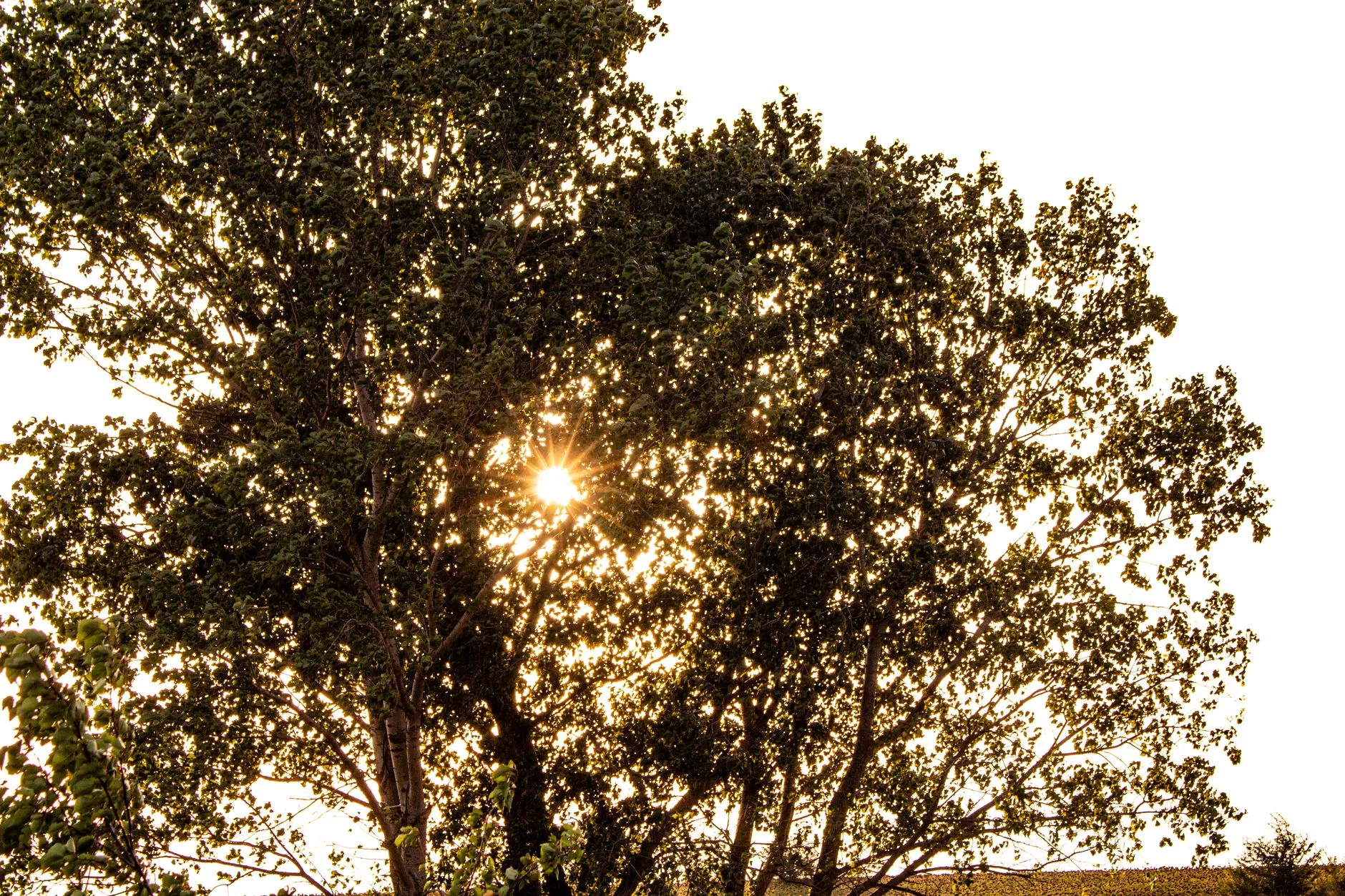
A Thinned Tree Is a Healthier, Safer Tree
Thinning isn't just cosmetic. A dense, overgrown canopy full of deadwood is heavier, catches more wind, blocks the light and airflow the tree itself needs, and hides hazards until a limb comes down. Proper thinning fixes all of that at once.
Removing deadwood eliminates the branches most likely to fall. Thinning lets wind pass through instead of pushing against a solid wall of leaves, dramatically lowering the risk of failure in a storm. And opening the canopy lets light and air reach the interior, which keeps the whole tree healthier — and brings sunlight back to your home and garden. Done right, it's one of the best things you can do for a mature tree.
- ✓Deadwood removed before it falls
- ✓Less wind load, lower failure risk
- ✓Light and air for a healthier tree
- ✓More sunlight for your home & garden
Brooklyn Trusts Us With Its Canopies
Our big backyard maple had gotten so dense that nothing grew under it and the inside was full of deadwood. Cleargrove thinned the canopy and cleared the deadwood so beautifully — now light comes through, air moves, and the tree looks healthier and more elegant than ever. Skilled, careful, precise work.
We had big dead limbs hanging over our patio and were genuinely nervous about them. Cleargrove came in, removed all the deadwood cleanly, and left the tree's shape completely intact. No butchering, no over-cutting — just the dead and dangerous wood gone. Exactly the careful, expert work we hoped for.
Our street tree was blocking all our light and scraping the house. Cleargrove raised the canopy and did a light thinning that opened everything up — we get sun in the front rooms again and the tree is totally healthy. They understand that less is more with a good tree. Wonderful to work with.
Third year having Cleargrove do a light annual thinning on our two big backyard trees. Same careful crew, same respect for the trees, always spotless. Our trees are visibly healthier and safer for the regular attention, and the yard stays bright. For fine canopy work, they're simply the best I've found.
Get Your Free Canopy Assessment
Deadwood to clear, a canopy to thin, light to let back in, or a tree you want kept healthy — we'll take a look and give you a clear, honest quote. No pressure, no obligation.
Canopy Care Questions, Answered
What is crown thinning, exactly?
Crown thinning is the selective removal of some of the smaller, live branches throughout a tree's canopy to reduce its density. Done correctly, it lets more light and air pass through, reduces the tree's wind resistance, and reveals its natural structure — all without changing its overall size or shape. The key word is selective: good thinning removes a modest amount evenly throughout the canopy, never stripping it out or removing so much that the tree is stressed. It's one of the most beneficial things you can do for a healthy mature tree.
What's the difference between deadwooding and pruning?
Deadwooding is specifically the removal of dead, dying, and diseased branches from a tree's canopy, while pruning is the broader practice that also includes thinning live branches, raising or reducing the crown, and shaping. Deadwooding is important for safety — dead branches are the ones most likely to fall — and for the tree's health, since dead and diseased wood can harbor decay and pests. We often do deadwooding on its own, and also as part of a fuller canopy service.
Will thinning hurt my tree?
Not when it's done properly — in fact, correct thinning helps a tree. The danger is over-thinning or bad technique: removing too much foliage stresses the tree and can trigger weak, excessive regrowth, and practices like topping or 'lion-tailing' (stripping the interior and leaving growth only at the ends) genuinely harm trees. This is exactly why it matters to hire a certified arborist who thins conservatively and correctly. Done right, thinning leaves your tree healthier, safer, and more beautiful — not stressed.
How much of the canopy can be removed at once?
As a general rule, no more than about a quarter of a tree's live foliage should be removed in a single year, and often much less — mature and stressed trees especially should have only a modest, careful thinning. Removing too much at once forces the tree to draw on stored energy and can trigger stress and unhealthy regrowth. We always thin conservatively and, for trees that need a lot of work, we'll sometimes stage it over more than one visit to protect the tree's health. We'd rather do a little less than risk doing too much.
How often should a tree be thinned or deadwooded?
It depends on the tree's species, age, and growth rate, but many mature trees benefit from a light thinning and deadwooding every two to three years, and some fast growers or trees near buildings benefit from annual attention. Deadwood, in particular, is worth removing whenever there's a noticeable amount, both for safety and health. During your assessment we'll recommend a sensible rhythm for your specific trees — enough to keep them healthy and safe, without over-pruning.
Are you licensed, insured, and certified?
Yes on all three. Our work is done by ISA-certified arborists, we carry $2M in liability coverage plus workers' comp, and we're bonded. Fine canopy work means climbing and working high in the tree, which is skilled and potentially dangerous, so both the certification and the insurance genuinely matter. We're always glad to provide proof of insurance and certification before we begin any work.
Let's Bring Your Trees Back to Their Best
Tell us about your trees — deadwood to clear, a canopy to thin, or light to let in — and we'll get right back to you with a free, no-pressure estimate.