Stories Worth More Than a Minute — Documentary Film Production in Montana
Bitterroot makes documentaries the slow way — months in the field, sound you can trust, and edits that let true stories keep their weight. Features, shorts, oral histories, and the films that move grants and rooms.

Trust First. Camera Second.
Every Bitterroot film starts the same way: time without a camera. Coffee at kitchen tables, rides in feed trucks, listening until the story tells us its shape. When the camera finally comes out, subjects forget it's there — and that's when documentaries stop being interviews and start being true. Fourteen years, one method, no shortcuts.
- ✓Field time before filming — always
- ✓Honest sound: real voices, real rooms
- ✓Small footprint — one or two people, no circus
- ✓Subjects see the cut before the world does
Six Shapes a True Story Can Take
From ninety-minute features to three-minute portraits — the story picks the length.
Feature Documentaries
The long work — a year or more in the field, festival-grade finishing, and stories big enough to carry it. We develop, shoot, edit, and shepherd features from first coffee to first screening.
Short Docs & Portraits
Five to fifteen minutes on one person, one place, or one question — the form we love most, and the fastest way to find out what documentary can do.
Brand Documentaries
For companies with a real story — founders, craft, land, legacy — told with documentary honesty instead of ad-speak. The films people actually finish.
Grant & Impact Films
Films that move funders, boards, and ballots — built with your outcomes in mind and delivered with cutdowns for every room you'll play them in.
Archival & Oral History
Family histories, tribal and community archives, and the elders whose stories won't wait — recorded properly, preserved permanently.
Festival Strategy & Finishing
Color, sound mix, DCPs, and a festival plan that fits the film — for our productions and for filmmakers finishing their own.
Frames Worth a Thousand Interviews


The Bitterroot Standard
Sound You Can Trust
Lavs, booms, and rooms treated with respect — because a documentary is only as honest as its audio.
Patience in the Budget
Field time is scheduled like the essential ingredient it is — stories open up when nobody's rushing them.
Ethics in Writing
Consent, review screenings, and archival rights handled formally — subjects are partners, not material.
From First Coffee to First Screening
Listen
We meet the story without a camera — people, places, stakes — and write a one-page treatment only if it earns one.
Live With It
Field production in seasons, not days. The camera stays until the story stops performing and starts being itself.
Find the Film
The edit is where documentaries are written — we cut, screen, re-cut, and let the material argue with our assumptions.
Send It Out Right
Color, mix, captions, DCP — then festivals, funders, broadcast, or the family archive, each with its own plan.
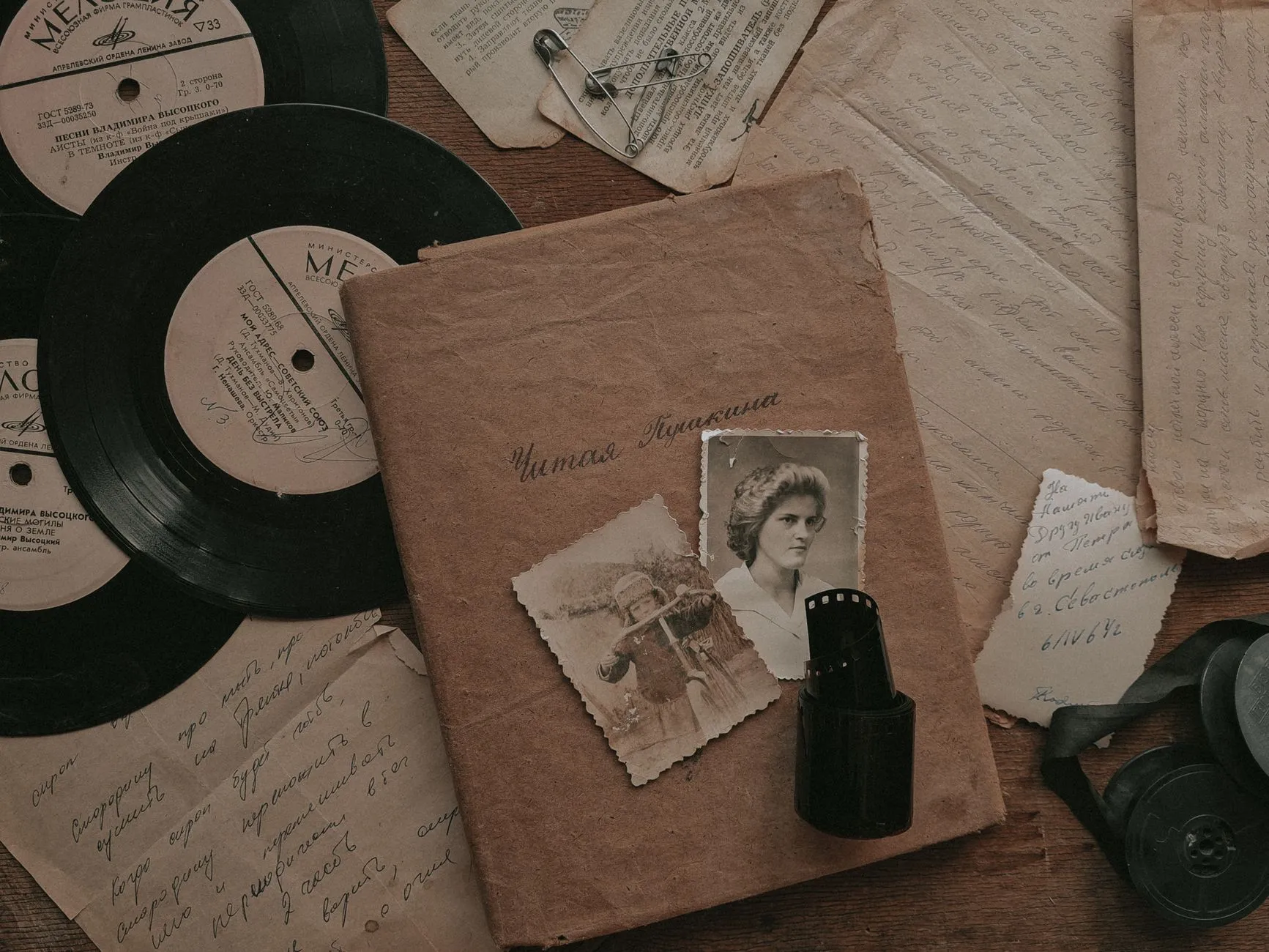
Record the Elders While the Stories Are Still Warm
Half of Montana's best stories live in people who won't be here in twenty years. Our oral history work records them properly — broadcast-quality sound and picture, careful interviews, scanned photographs and letters — and delivers archives families and communities own outright. It's the least glamorous work we do, and the work we're proudest of.
- ✓Broadcast-grade recording, in their own homes
- ✓Photos, letters & artifacts scanned to archive standard
- ✓Full raw interviews delivered, not just the cut
- ✓Families own everything — forever
What Fourteen Years in the Field Taught Us
The Story Owes You Nothing
You can't force a documentary — you can only be there when it happens. Budgeting patience is the difference between footage and truth.
Small Crews Get True Moments
Two people with good gear disappear in a week. A production circus never does. Our footprint is the craft.
Endings Are Earned
We don't manufacture arcs. We stay long enough for the real one — which is why our endings land in rooms full of strangers.
From Subjects, Funders & Festivals
I've programmed festivals for eleven years and Bitterroot films are recognizable before the title card — patient camerawork, subjects who trust the lens, endings that earn their weight. Their ranch-water short did what few films manage: it changed how a room full of strangers voted on a bond measure.
They spent two years with our family for the feature — brandings, blizzards, the auction we almost didn't survive. Not once did it feel like being filmed. Watching it back, my father finally saw what his life amounted to. There's no invoice for that.
Our foundation commissioned an impact film for a watershed grant. Bitterroot delivered a twelve-minute documentary that funders quote back to us in meetings — the grant renewed at twice the ask, and the film now opens every donor event we hold.
Asked Before the First Coffee
How long does a documentary take?
Shorts and portraits typically run two to four months from first meeting to finished film. Features live on their own clock — a year is fast, two is common. Impact and brand documentaries fall in between, usually a season. We'll tell you honestly which clock your story is on.
Do you work outside Montana?
The Mountain West is home turf, but stories travel and so do we. If the story is right, geography is logistics — we've filmed from Alaska fisheries to Texas courtrooms.
Can you finish a film we already started?
Often, yes — edit consulting, finishing (color, mix, DCP), and festival strategy are services we offer other filmmakers and organizations sitting on good material that stalled.
What does a documentary cost?
Oral histories and portraits start in the low four figures. Short docs run five figures depending on field time; features are budgeted per project, often with grant and co-production support we can help you pursue. Every engagement starts with a written scope.
Who owns the film and footage?
It's in the agreement, plainly: commissioned work belongs to the commissioner; co-productions share per the deal memo; oral-history families own their archives outright. Nobody signs anything ambiguous here.
Can you help with grant funding?
Yes — we've supported clients through arts council, foundation, and federal humanities applications, and our impact films are built with funder reporting in mind. Bring the deadline; we've hit worse.
How do you protect the people in your films?
Written consent that's explained, not just signed; review screenings before release; and the standing rule that nobody is ambushed in the edit. Subjects trust us because former subjects tell them to.
What if the story changes while filming?
It will — that's documentary. We follow the true story, keep subjects and commissioners informed, and re-scope openly if the film that's emerging isn't the film we planned.